Getting older doesn’t mean giving up the activities, routines, and independence that make life meaningful.
Healthy aging is less about trying to avoid every change that comes with age and more about supporting your body, mind, relationships, and surroundings so you can continue doing the things that matter to you.
In fact, the World Health Organization describes healthy aging in terms of maintaining the abilities that support well-being as we get older. That includes being mobile, maintaining relationships, making decisions, meeting everyday needs, and continuing to participate in life.
And you don’t need to overhaul your entire lifestyle to make a difference. Small choices made consistently can add up.
Here are 12 practical habits that can help you stay healthier, more active, and more independent as you age.
1. Keep Moving Every Day
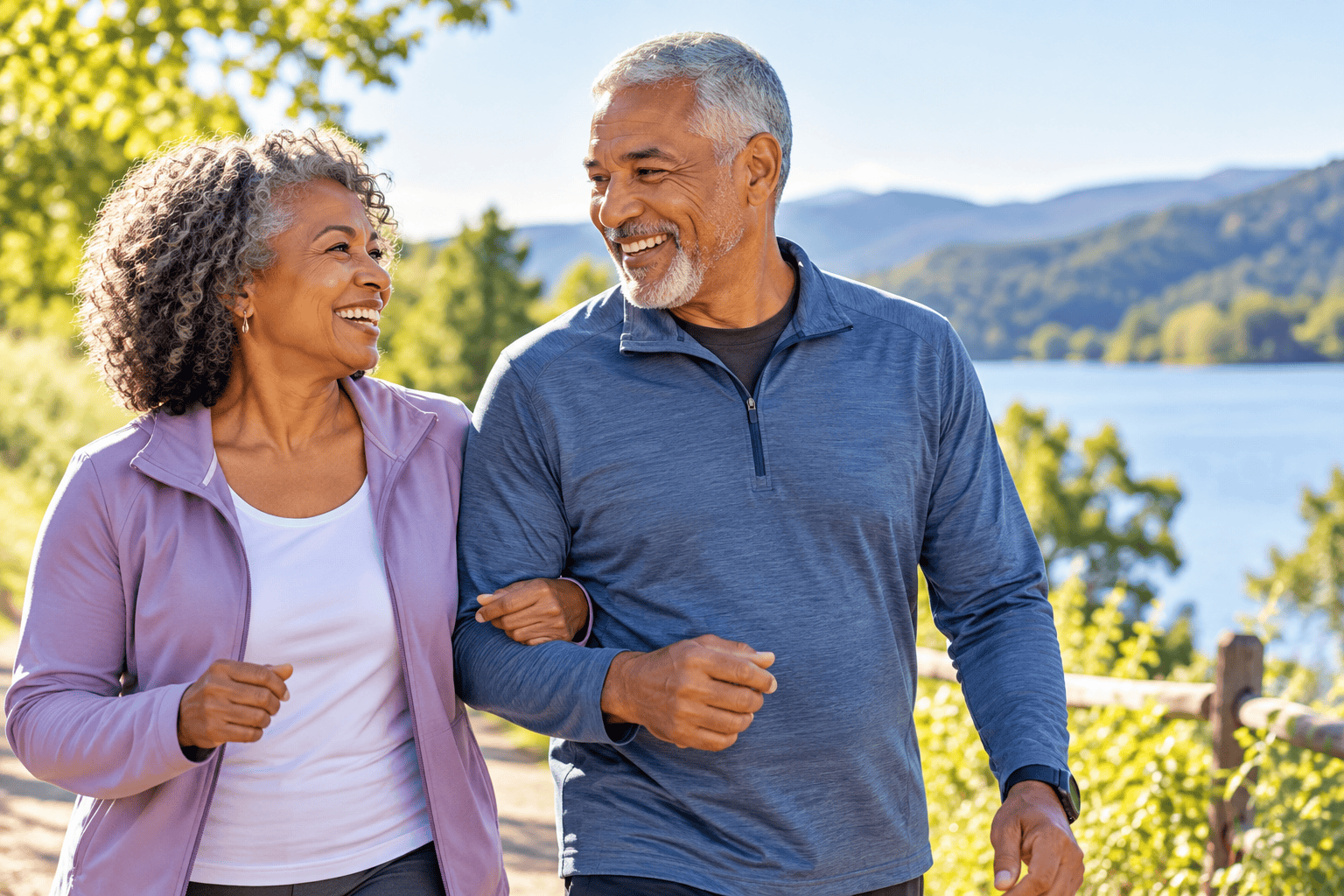
Physical activity is one of the most important foundations of healthy aging, but being active doesn’t have to mean spending hours at a gym.
Walking the dog, gardening, swimming, dancing, taking the stairs, working around the house, or playing with grandchildren all count toward a more active lifestyle.
For adults 65 and older, current recommendations include a combination of aerobic activity, muscle-strengthening exercise, and activities that improve balance.
The important thing is to find activities you enjoy enough to keep doing. If you are looking for ideas, there are plenty of simple ways to stay active after 60 that can fit into everyday life.
Related reading: How to Stay Active After 60: Simple Ways to Move More Every Day.
As an Amazon Associate Age With Intent earns from qualifying purchases.
2. Make Strength a Priority
Maintaining muscle becomes increasingly important as we get older.
Strength isn’t only about being able to lift something heavy. It can affect everyday activities such as getting up from a chair, carrying groceries, climbing stairs, working in the yard, and maintaining your independence. Learn more about the benefits of strength training for seniors and why maintaining strength becomes increasingly important as we age.
The National Institute on Aging notes the benefits of exercise and physical activity for older adults, including benefits for physical and emotional health.
You don’t necessarily need complicated equipment, either. Resistance bands, light weights, body-weight exercises, and other simple forms of resistance training can all be options.
If you are ready to give it a try, these 10 strength training exercises for seniors are a good place to explore some simple options.
3. Eat With Healthy Aging in Mind
Good nutrition isn’t about following a perfect diet.
Focus instead on eating a variety of nutrient-dense foods, including vegetables and fruits, whole grains, sources of protein, healthy fats, and other foods that support your individual nutritional needs.
Nutrition becomes especially important when you’re trying to maintain muscle, bone health, energy, and overall health as you age. The National Institute on Aging identifies healthy eating as a cornerstone of healthy aging.
Think of healthy eating as something that supports what you want your body to continue doing—not simply as a way to control your weight.
Small changes can make healthy eating feel much more manageable. Start by focusing on healthy foods that support aging well rather than trying to follow a complicated or restrictive diet.
4. Don’t Forget Hydration
It’s easy to focus on food and overlook what you’re drinking.
Make drinking fluids part of your regular routine rather than waiting until you’re especially thirsty. Water is an excellent choice, although individual fluid needs can vary.
Simple habits can help: keep water nearby, drink something with meals, or carry a reusable water bottle when you’re out.
If you’ve been given specific instructions about fluids because of a medical condition, follow the recommendations of your healthcare professional.
5. Protect Your Balance and Mobility
Being able to move confidently through your home and community plays an enormous role in maintaining independence.
Balance, strength, flexibility, vision, footwear, medications, and the environment around you can all affect your ability to move safely. Maintaining balance and mobility is also an important part of reducing fall risk. Taking a few practical steps to prevent falls at home can help you feel more confident moving through your everyday environment.
Look for simple opportunities to support your mobility now rather than waiting until you’ve experienced a fall or another problem.
6. Make Your Home Work for You
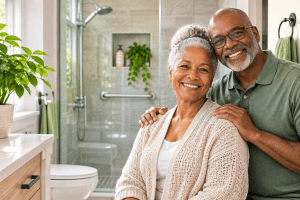
A home that worked perfectly at 40 or 50 may need some changes as you get older—and many of those changes can be surprisingly small.
Good lighting, secure handrails, clear walking paths, safer bathroom surfaces, easy-to-reach everyday items, and thoughtful use of technology can make a home easier and safer to navigate.
The goal isn’t to make your home look institutional. It’s to create a home that continues to support the way you want to live.
Technology can also play a role, from better lighting to smart home technology that supports safety and independence.
You don’t have to completely remodel your home to make a difference. Start by identifying the areas where a few home safety changes for aging in place could make everyday life safer and easier.
7. Stay Connected to Other People
Healthy aging isn’t only physical.
Relationships with friends, family, neighbors, community groups, clubs, faith communities, volunteer organizations, or others who share your interests can provide companionship and a sense of belonging.
Social activities can also give you a reason to get out of the house, stay engaged, learn new things, and keep moving.
The National Institute on Aging notes that meaningful social and productive activities can support well-being and independence as people age.
Staying connected isn’t just enjoyable – it can be an important part of healthy aging. If your social circle has become smaller over time, there are practical ways to reduce loneliness and build stronger social connections.
8. Keep Your Brain Engaged
Your brain benefits from activity, too.
Learning doesn’t have to mean going back to school. Reading, puzzles, hobbies, travel, music, learning new technology, taking a class, cooking a new recipe, volunteering, or simply trying something unfamiliar can keep life interesting and mentally engaging.
Even better, choose activities that combine several healthy-aging habits at once.
A walking group, for example, provides movement and social connection. Taking a cooking class can provide learning, nutrition, and social interaction.
Healthy aging habits don’t have to happen in isolation.
9. Make Sleep Part of Your Health Routine
Sleep deserves the same attention as nutrition and exercise.
A consistent bedtime routine, regular activity during the day, a comfortable sleeping environment, and limiting habits that interfere with sleep can all support better rest.
Don’t automatically assume that persistent sleep problems are simply part of getting older. If you’re regularly struggling to sleep or experiencing significant daytime fatigue, discuss it with your healthcare provider.
10. Keep Up With Preventive Care
Healthy aging also means paying attention to problems before they interfere with your independence.
Keep regular healthcare appointments and discuss appropriate health screenings, vaccinations, medications, vision, hearing, dental health, and other preventive needs with your healthcare providers.
If something changes—your balance, appetite, energy, memory, hearing, vision, sleep, or ability to perform everyday activities—don’t simply assume that it’s inevitable because you’re getting older.
Addressing changes early can sometimes make them much easier to manage.
11. Keep Doing Things That Give Your Life Purpose
Retirement or changing family responsibilities can create more freedom, but they can also change routines that once provided structure and purpose.
Purpose looks different for everyone.
It might mean volunteering, working part time, caring for grandchildren, traveling, gardening, mentoring someone, participating in your community, learning something new, pursuing a hobby, or simply being the person who brings everyone together for Sunday dinner.
The goal isn’t to stay busy just for the sake of being busy. It’s to continue having things in your life that you look forward to and that matter to you.
12. Focus on Progress, Not Perfection
Perhaps the most important healthy-aging habit is also the simplest:
Don’t try to change everything at once.
You don’t need a perfect diet, a complicated workout routine, a completely remodeled home, and a packed social calendar.
Start with one change.
Take a 15-minute walk. Add a strength-training session. Call a friend. Improve the lighting on the stairs. Make one healthier meal. Schedule the appointment you’ve been postponing.
Research and public-health guidance consistently emphasize that even small lifestyle changes and amounts of activity can contribute to healthier aging.
Then build from there.
Healthy Aging Is Really About Living Well
Healthy aging isn’t about trying to stay young.
It’s about protecting your ability to live well, stay involved, make your own choices, and remain as independent as possible as the years go by.
Some parts of aging are outside our control. Others aren’t.
Movement, strength, nutrition, social connection, preventive care, a supportive home environment, and the small choices we make every day can all play a role.
And you don’t have to tackle all 12 habits today.
Choose one place to start.
That’s what aging with intent is all about.
Continue Your Healthy Aging Journey
Healthy aging looks a little different for everyone. Explore these topics to find practical ways to stay active, healthy, and independent:
Want a Simple Place to Start?
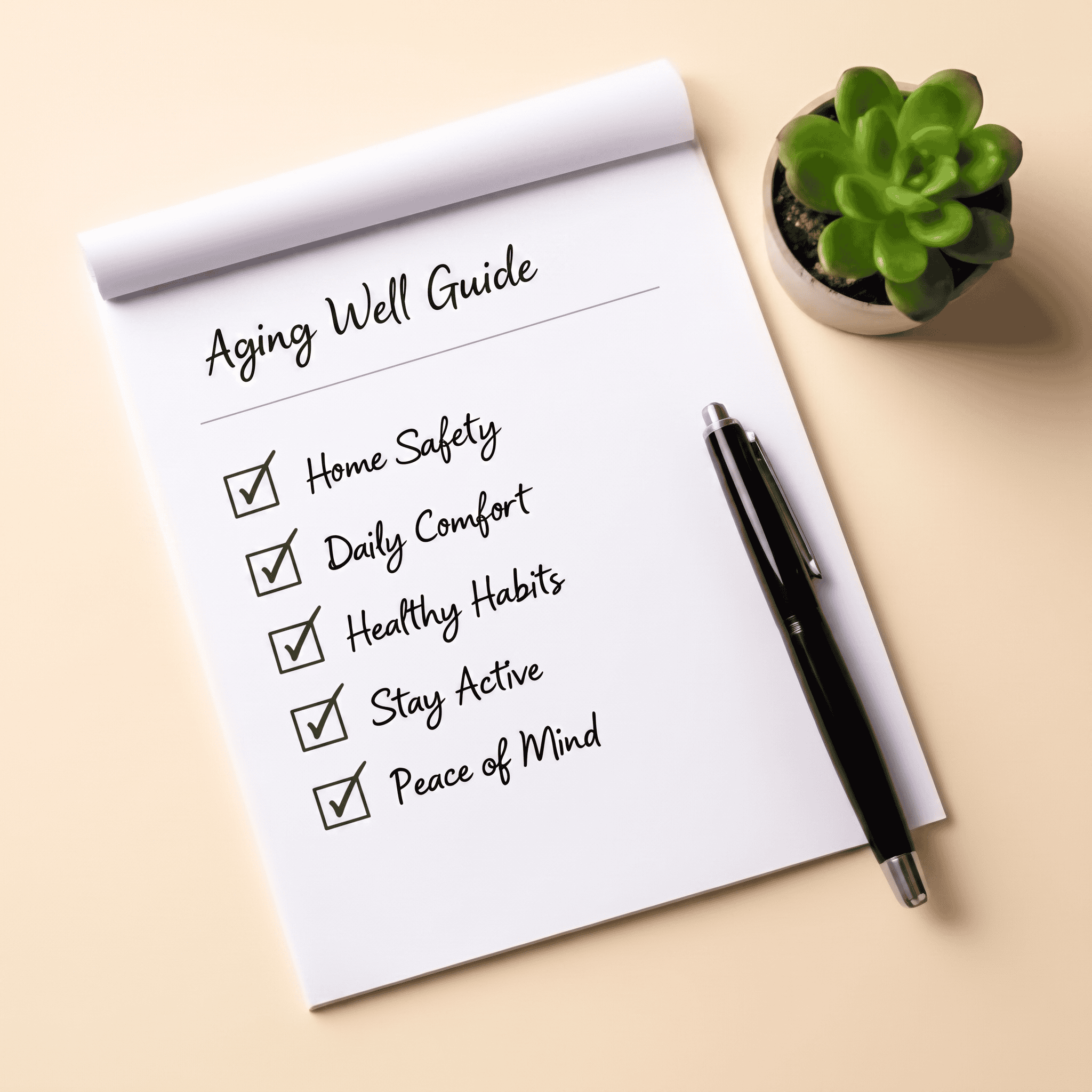
Making healthy changes can feel overwhelming when you’re trying to tackle everything at once. Our free Aging Well Guide can help you take a practical look at the areas that matter most—from staying active and safe at home to planning for the future.
Get Your Free Aging Well Guide
Further Reading:
National Institute on Health: Benefits of Strength Training
About the Author
I’m Heather, founder of Age With Intent. I have more than 25 years of experience in long-term care leadership, including over 15 years as a Nursing Home Administrator.
Throughout my career, I’ve seen firsthand how important safety, independence, and thoughtful planning are to aging well.
I created Age With Intent to share practical information and resources that help older adults and their families make informed decisions, maintain independence, and live well at every stage of life.