For many older adults, remaining safe at home is about much more than avoiding an injury. It’s about preserving independence, maintaining privacy, and continuing to enjoy everyday life.
When families think about fall prevention, they often focus on obvious hazards: loose rugs, slippery floors, poor lighting, or cluttered walkways.
While these are important concerns, some of the greatest fall risks aren’t things you can see around the house.
They may be gradual changes in strength, increased urgency to use the bathroom, medication side effects, or someone’s reluctance to acknowledge that they need assistance.
After more than 25 years working in senior care, I’ve learned that preventing falls requires understanding both a person’s physical abilities and their desire to remain independent.
Here’s what older adults and their families should know.
1. Declining Strength Can Be Easy to Overlook
One of the most important contributors to falls is a gradual decline in muscle strength and balance.
These changes don’t necessarily happen overnight.
Someone who has always been independent may begin having difficulty getting out of a chair, standing from the toilet, climbing stairs, or walking longer distances.
Because these changes develop gradually, the person experiencing them may not immediately recognize the increased risk.
Watch for these warning signs:
Using furniture or countertops for support while walking.
Struggling to rise from a chair without pushing heavily with the arms.
Taking smaller, slower, or less steady steps.
Avoiding activities that were previously manageable.
Experiencing frequent stumbles or near-falls.
These changes deserve attention even if an actual fall hasn’t occurred.
Strength and balance exercises can help many older adults improve stability and maintain mobility. A healthcare provider or physical therapist can recommend an appropriate program, especially for someone already experiencing difficulty walking or standing.
Related reading: 10 Best Strength Training Exercises for Seniors
2. Bathroom Urgency Can Increase Fall Risk
This is a concern I’ve encountered throughout my career in senior care.
As people age, they may experience more frequent trips to the bathroom, sometimes with a greater sense of urgency.
When someone feels they need to get to the bathroom immediately, they may rush, forget to use their walker, or attempt to stand before they’re steady.
The situation can become even more challenging at night.
Imagine waking up suddenly, needing the bathroom urgently, and trying to navigate a dark hallway while still feeling sleepy.
Even someone who normally moves carefully may make a hurried decision.
What can help?
Consider the entire routine, not just the bathroom itself.
Provide adequate lighting between the bedroom and bathroom.
Keep the walking path clear of obstacles.
Make sure prescribed mobility aids are easily accessible.
Consider whether the toilet is at an appropriate height.
Have a healthcare professional evaluate new or worsening urinary urgency.
For someone who cannot safely reach the bathroom in time, an appropriately positioned bedside commode may be worth discussing with an occupational therapist.
The goal is to reduce rushing while preserving as much independence and privacy as possible.
3. Accepting Help Can Feel Like Losing Independence
One of the most challenging aspects of fall prevention isn’t necessarily identifying a safety concern.
It’s helping someone acknowledge that a change may be needed.
Many older adults have spent their entire lives caring for themselves, their homes, and their families.
Needing help with bathing, dressing, walking, or using the bathroom can be difficult to accept.
This can be especially true when the person offering assistance is a spouse or adult child.
Someone may minimize their difficulties because they don’t want to become a burden or feel that they’re losing control over their daily life.
Unfortunately, avoiding assistance or refusing an appropriate mobility aid can sometimes increase the risk of injury.
Change the conversation
Rather than focusing exclusively on what someone can no longer do, explain what a safety modification may help them continue doing.
For example:
Instead of saying, “You shouldn’t shower alone anymore,” consider asking, “Would having a safer shower setup help you feel more comfortable and independent?”
Instead of saying, “You need a walker because you’re unsteady,” try, “Would having some extra support make it easier to keep doing the things you enjoy?”
The way we approach these conversations matters.
Fall prevention should support independence whenever possible, not simply restrict activity.
Of course, independence must be balanced with safety. Equipment cannot make every activity safe without assistance, particularly when someone has significant mobility or balance limitations.
4. Privacy Is an Important Part of Home Safety
Privacy is something families sometimes underestimate when discussing aging in place.
Most people would prefer not to have someone standing beside them while they use the bathroom, bathe, or get dressed.
When an older adult begins having difficulty with these activities, the loss of privacy can be just as upsetting as the physical limitations.
This is one reason appropriately selected safety equipment can be so valuable.
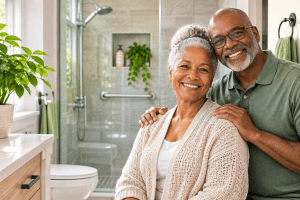
Grab bars, shower seating, nonslip surfaces, and other modifications may help someone perform personal activities with greater stability and less hands-on assistance.
But choosing the right equipment matters.
A shower chair isn’t automatically the safest solution for everyone. Someone who cannot safely step over the side of a bathtub may need a different arrangement, such as a transfer bench or an accessible shower.
Likewise, a grab bar must be correctly positioned and securely installed to provide reliable support.
An occupational therapist can evaluate a person’s abilities and bathroom setup to help determine which changes are appropriate.
The goal isn’t simply to add more safety equipment. It’s to choose solutions that support safe, comfortable, and dignified daily routines.
5. Protecting Family Caregivers Matters Too
Another important consideration is the safety of the person providing assistance.
When a spouse or adult child helps someone stand, transfer, or walk, there is a risk of injury to both people if the assistance exceeds the caregiver’s physical abilities.
A caregiver may instinctively try to catch someone who begins falling.
Unfortunately, this can result in both individuals being injured.
Families should never assume that physically lifting or supporting another person is safe simply because they’re willing to help.
If someone needs substantial assistance getting out of bed, standing from a chair, or transferring to the toilet, it’s important to seek professional guidance.
A physical or occupational therapist can assess mobility needs, recommend appropriate equipment, and provide instruction on safer assistance techniques.
Protecting the caregiver is part of protecting the older adult.
6. Medications, Vision, and Health Changes Can Contribute to Falls
Not every fall is caused by weakness or an unsafe environment.
Some medications can cause dizziness, drowsiness, changes in blood pressure, or slower reactions.
Changes in vision, balance, sensation, and certain medical conditions can also increase fall risk.
The Centers for Disease Control and Prevention recommends assessing these factors as part of a comprehensive fall-prevention approach.
If someone begins experiencing dizziness, unsteadiness, or repeated near-falls, encourage them to discuss these changes with a healthcare professional.
A medication review may identify potential contributors. However, medications should never be stopped or adjusted without guidance from the prescribing clinician.
Regular vision checks and appropriate treatment of underlying conditions are also important.
7. Don’t Wait for a Serious Fall to Make Changes
Families sometimes begin thinking seriously about fall prevention only after someone has been injured.
But warning signs often appear earlier.
Perhaps a parent has begun holding onto furniture while walking through the house.
Maybe they’re struggling to stand from their favorite chair or avoiding the stairs.
Or perhaps they’ve started getting up several times during the night and seem increasingly unsteady.
These are opportunities to begin a conversation and arrange an assessment before an injury occurs.
A good starting point is to ask:
Have you fallen or nearly fallen recently?
Do you ever feel dizzy or unsteady when standing?
Are there activities at home that have become more difficult?
Do you ever hurry to the bathroom because you’re afraid you won’t make it in time?
Would any changes make you feel safer or more comfortable at home?
Listen carefully to the answers.
And remember that someone may be reluctant to admit they’re struggling, particularly if they worry that doing so could threaten their independence.
A fall, new difficulty walking, or repeated near-falls should prompt a healthcare assessment. Sudden weakness, fainting, serious injury, or new neurological symptoms may require urgent medical attention.
8. A Safer Home Is Only Part of the Solution
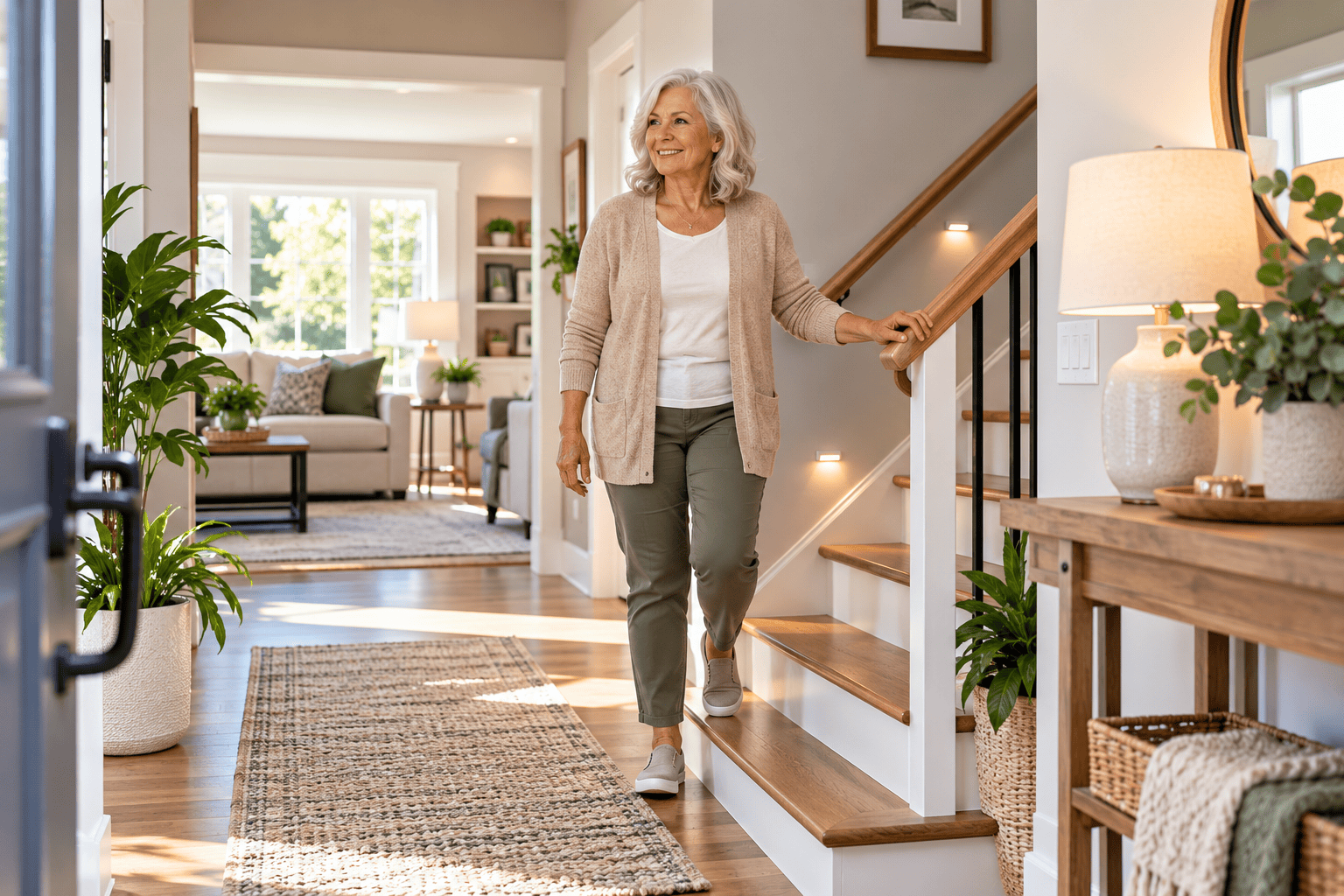
Removing trip hazards, improving lighting, installing grab bars, and organizing frequently used items are all worthwhile steps.
But a safe home environment is only one part of preventing falls.
The most effective approach considers the person, their physical abilities, their daily routines, and the environment in which they live.
It also recognizes that safety needs can change over time.
For a practical guide to evaluating each area of the house, read our companion article:
Fall Prevention at Home: A Room-by-Room Safety Checklist
Use that checklist to identify potential hazards and prioritize improvements throughout the home.
Final Thoughts: Safety and Independence Should Work Together
After decades of working with older adults, one lesson continues to stand out to me: people want to remain in control of their lives.
They want to make their own decisions, maintain their privacy, and continue doing the things that matter to them.
Fall prevention shouldn’t be about taking those things away.
It should be about recognizing changing needs, having respectful conversations, and making thoughtful adjustments that help people remain safe and independent for as long as possible.
Sometimes a small modification can make a meaningful difference. Other times, professional assessment or additional support is necessary.
Either way, the goal remains the same: to help older adults live safely, confidently, and with dignity.
Take the Next Step Toward Safer, More Independent Living
Creating a safer home is just one part of planning for healthy aging.
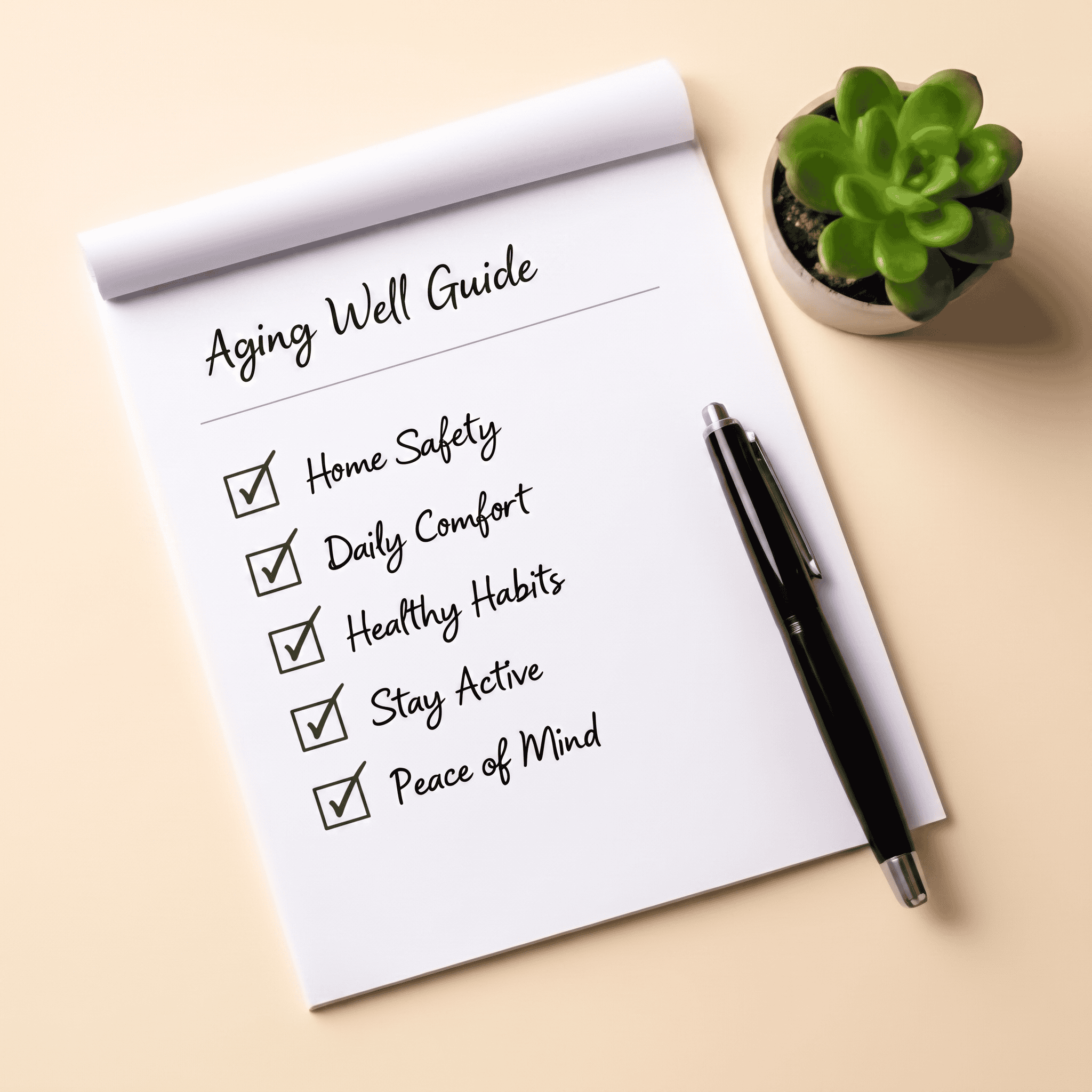
Our free Aging Well Guide offers practical ideas for home safety, staying active, maintaining independence, and preparing for the future.
Get your free Aging Well Guide and start making thoughtful changes today.
Sources & Further Reading
Centers for Disease Control and Prevention — STEADI Older Adult Fall Prevention
National Institute on Aging — Home Safety Tips for Older Adults
National Institutes of Health — Falls and Fall Prevention in Older Adults
About the Author
I’m Heather, founder of Age With Intent. I have more than 25 years of experience in long-term care leadership, including over 15 years as a Nursing Home Administrator.
Throughout my career, I’ve seen firsthand how important safety, independence, and thoughtful planning are to aging well.
I created Age With Intent to share practical information and resources that help older adults and their families make informed decisions, maintain independence, and live well at every stage of life.
This article is intended for general education and does not replace individualized medical advice or an assessment by a qualified healthcare professional.