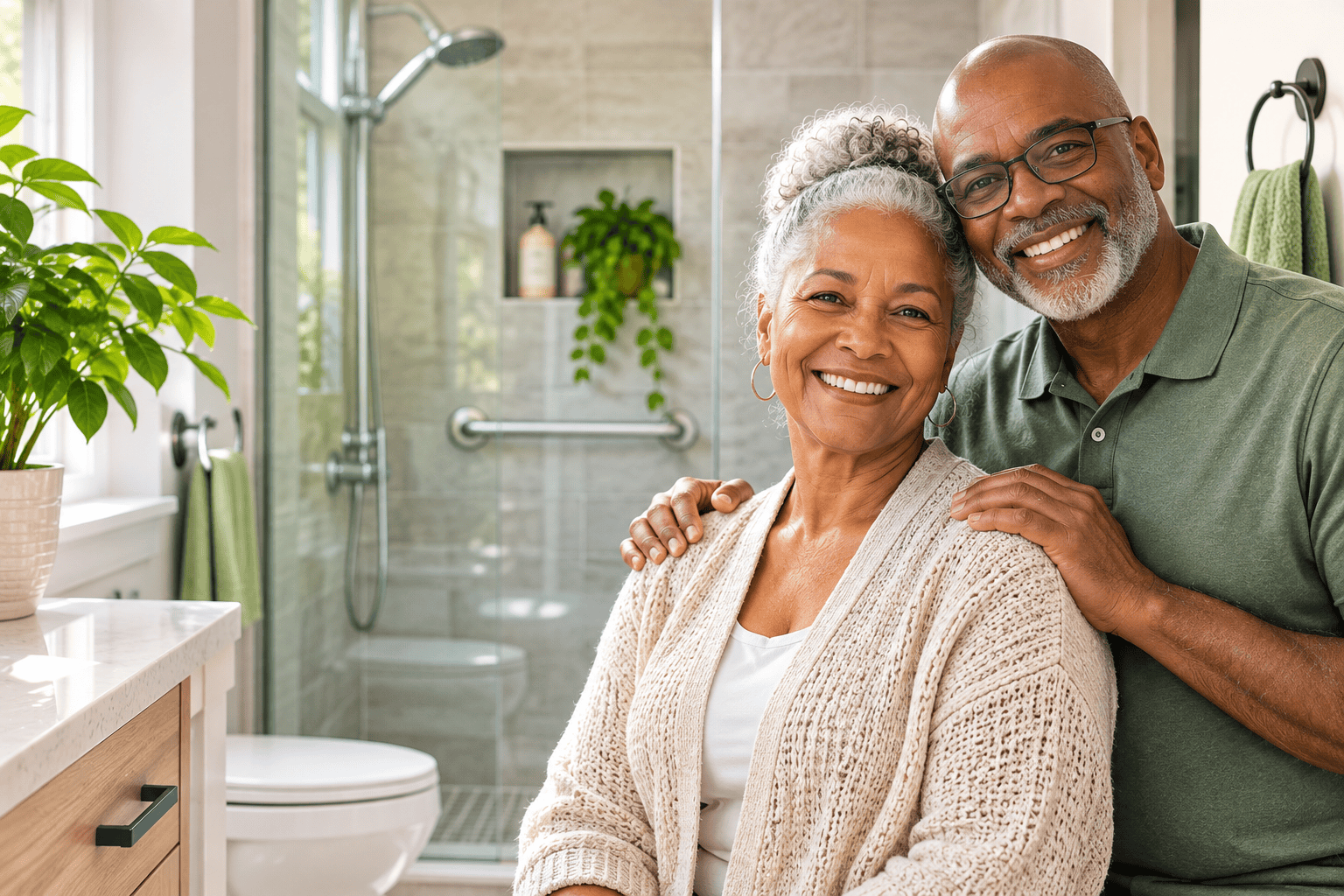
The bathroom is one of the most important rooms to consider when making a home safer for aging in place. It’s also a room where everyday activities can become unexpectedly hazardous.
Wet floors, slippery surfaces, limited space, and the need to sit, stand, or step over a bathtub can create challenges, especially when balance, mobility, or strength begin to change.
According to the Centers for Disease Control and Prevention (CDC), more than one in four adults age 65 and older experiences a fall each year. While falls can happen anywhere, bathrooms deserve particular attention because of their unique combination of hazards.
The good news? Many bathroom safety improvements are simple, affordable, and don’t require a complete renovation.
With more than 25 years of experience in long-term care leadership, including over 15 years as a Nursing Home Administrator, I’ve seen how quickly a fall or preventable injury can affect someone’s independence.
I’ve also learned that safety isn’t simply about preventing injuries. It’s about creating environments where people can continue doing as much as possible for themselves, confidently and comfortably.
That’s why I believe bathroom safety deserves attention long before someone experiences a fall.
Here are seven bathroom safety hazards worth looking for—and practical ways to address them before an injury occurs.
1. Slippery Floors and Unsecured Bath Mats
Bathroom floors frequently become wet from showers, baths, and sinks. Even a small amount of water can make a smooth tile floor slippery.
Loose bath mats and decorative rugs can create additional hazards when they slide, bunch up, or catch someone’s foot or mobility device.
How to make it safer:
Remove loose rugs and decorative floor coverings.
Use a low-profile, slip-resistant bath mat designed to stay securely in place.
Consider professionally applied slip-resistant treatments for slippery flooring.
Keep floors dry and clean up water immediately.
Use appropriate nonslip surfaces inside the bathtub or shower.
A beautiful bathroom doesn’t have to sacrifice safety. Many modern slip-resistant flooring options complement almost any decorating style.
2. Missing or Improperly Installed Grab Bars
One of the most overlooked bathroom safety hazards is the absence of dependable handholds.
Getting into a shower, stepping out of a bathtub, or standing up from the toilet can require more balance and strength than we realize.
Without properly positioned grab bars, people may instinctively reach for towel racks, countertops, or shower doors.
Unfortunately, these fixtures aren’t designed to support body weight.
How to make it safer:
Install grab bars near the toilet and bathing areas.
Position bars where support is actually needed during movement.
Choose grab bars specifically designed for weight-bearing support.
Have them professionally secured to appropriate structural supports.
Never rely on towel bars or suction-mounted handles as primary weight-bearing supports.
An important consideration: Grab bars aren’t just for someone who has already experienced a fall. Installing them proactively can help make daily routines safer and more comfortable.
3. Poor Bathroom Lighting
A bathroom that appears adequately lit during the day may become difficult to navigate at night.
For someone waking up to use the bathroom, dim lighting can make it harder to identify obstacles, locate fixtures, or judge changes in flooring.
Vision changes associated with aging can make this problem more significant.
How to make it safer:
Install bright, even lighting that minimizes shadows.
Use motion-activated night lights along the route from the bedroom to the bathroom.
Make sure light switches are easy to reach.
Consider illuminated switches or automatic lighting.
Avoid glare-producing fixtures that make surfaces difficult to see.
Motion-activated lighting can be especially helpful because it provides illumination without requiring someone to search for a switch in the dark.
4. High Bathtub Walls and Difficult Shower Entrances
Stepping over the side of a traditional bathtub requires balance, coordination, and the ability to briefly support weight on one leg.
For someone experiencing arthritis, weakness, limited mobility, or balance difficulties, this movement can become increasingly challenging.
Even a relatively low shower threshold may create a tripping hazard.
How to make it safer:
Consider a properly fitted transfer bench for a bathtub.
Use a stable shower chair when standing throughout a shower is difficult.
Install a handheld showerhead to make seated bathing easier.
Add appropriately positioned grab bars for entering and exiting.
Consider a low-threshold or curbless shower when planning a renovation.
A complete bathroom remodel isn’t always necessary.
Sometimes a well-chosen transfer bench, combined with properly installed grab bars, can make an existing bathroom substantially easier to use.
5. Toilets That Are Difficult to Sit On or Stand Up From
Standing from a low toilet can become difficult when someone experiences knee pain, arthritis, reduced leg strength, or limited balance.
The challenge isn’t simply getting up. Lowering onto the toilet safely can also require considerable control.
Some people compensate by pulling on nearby sinks or towel racks, increasing the risk of injury.
How to make it safer:
Consider a comfort-height toilet when appropriate.
Evaluate whether a secure raised toilet seat would be helpful.
Install properly mounted grab bars or an appropriate toilet safety frame.
Ensure there’s adequate space for safe movement.
Choose equipment based on the individual’s height, strength, and mobility needs.
Not every raised toilet seat is appropriate for every person. Feet should remain supported, and the equipment must be stable.
An occupational therapist can help determine which modifications provide the safest arrangement.
6. Clutter and Hard-to-Reach Bathroom Essentials
Bathroom storage often places frequently used items in inconvenient locations.
Shampoo bottles on the shower floor, towels stored on high shelves, and toiletries placed behind other items may require bending, twisting, or reaching.
These movements can be particularly difficult when performed on a wet surface.
How to make it safer:
Keep frequently used items between approximately waist and shoulder height when practical.
Install accessible shower shelving or securely mounted dispensers.
Remove unnecessary items from floors and walkways.
Keep towels within easy reach of the shower.
Avoid using step stools to access bathroom supplies.
A well-organized bathroom isn’t simply more attractive. It reduces unnecessary movements and makes everyday routines easier.
7. Unsafe Support During Bathing or Toileting
Bathroom safety involves more than protecting the person using the bathroom.
It also means protecting anyone who may be helping them.
One lesson I’ve learned throughout my career in long-term care is that safety must include everyone involved in providing assistance.
When someone begins needing help with bathing or toileting, family members often step in without realizing how physically demanding these tasks can become. A well-intentioned attempt to prevent a fall can sometimes result in injuries to both people.
Recognizing when additional equipment, training, or professional guidance is needed isn’t a loss of independence. It’s a way to protect it.
How to make it safer:
Avoid attempting to lift someone manually when the movement cannot be performed safely.
Use appropriate transfer equipment when recommended.
Keep sufficient space available for safe assistance.
Ask a physical or occupational therapist to assess transfer needs.
Learn safe assistance techniques before attempting difficult transfers.
Remember: Protecting the person providing assistance is just as important as protecting the person receiving it.
When daily bathing or toileting becomes difficult, professional guidance can help identify safer approaches that preserve as much independence as possible.
A Simple Bathroom Safety Checklist
Take a few minutes to evaluate your bathroom.
- Are the floors slip-resistant and free of loose rugs?
- Are grab bars securely installed where needed?
- Is the bathroom adequately illuminated at night?
- Can the shower or bathtub be entered and exited safely?
- Is the toilet comfortable and safe to use?
- Are everyday supplies within easy reach?
- Can anyone providing assistance do so without risking injury?
If you answered no to any of these questions, you’ve identified a possible opportunity to improve bathroom safety.
Start with the concerns that present the greatest immediate risk.
Want to Make Your Entire Home Safer?
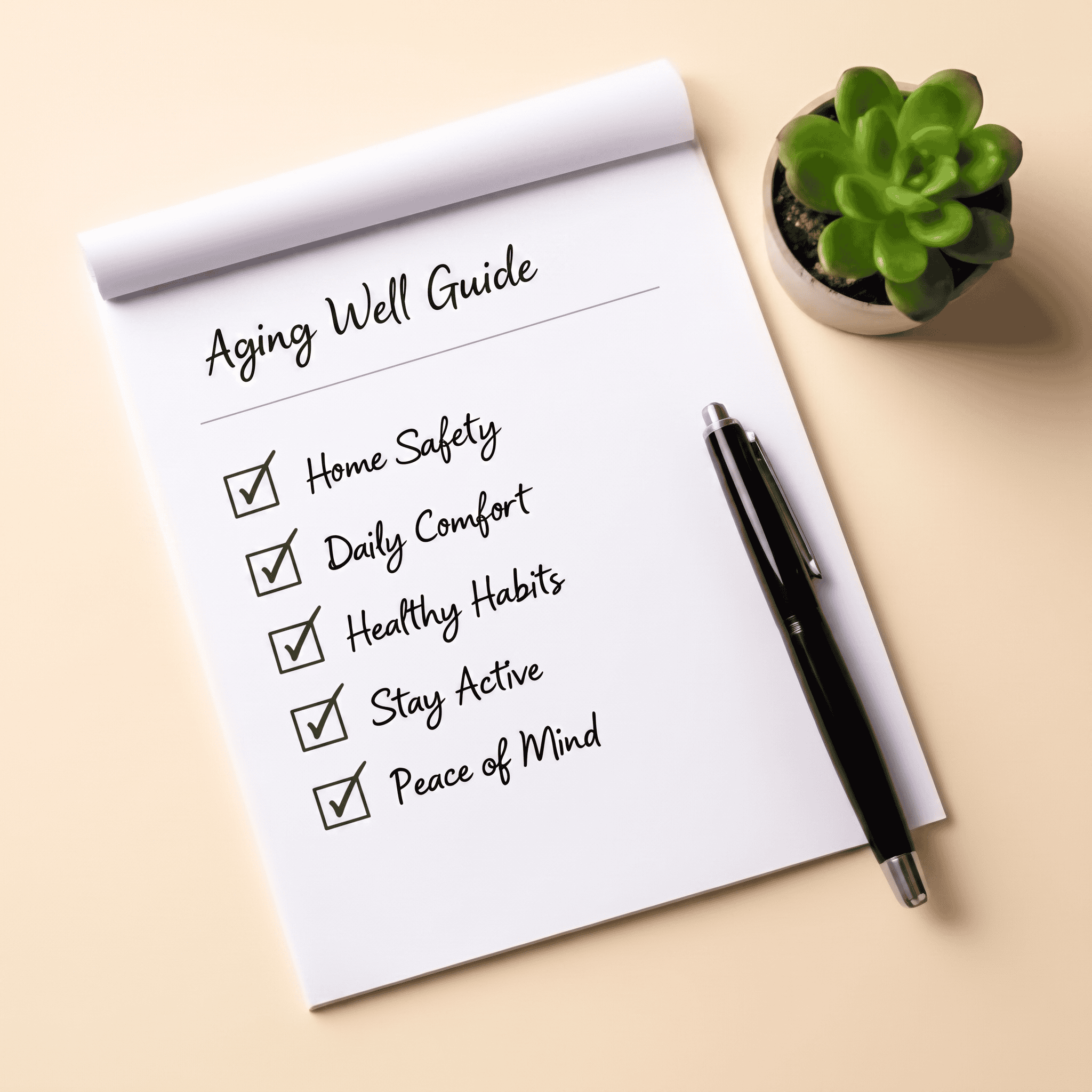
Bathroom safety is just one part of aging well. Our FREE Aging Well Guide offers practical tips for creating a safer home, staying active, and planning for a healthy, independent future.
Get Your Free Aging Well Guide →
When Is It Time for a Professional Home Safety Assessment?
Sometimes the most appropriate safety improvements aren’t obvious.
If someone has experienced a fall, feels unsteady while bathing, struggles to get on or off the toilet, or increasingly needs assistance, consider requesting an occupational therapy home safety assessment.
An occupational therapist can evaluate how someone moves through their bathroom and recommend modifications based on their individual needs.
This can help prevent unnecessary purchases while ensuring that important safety concerns aren’t overlooked.
If falls or near-falls have occurred, it’s also worth discussing them with a healthcare professional. Medications, vision changes, strength, and balance can all contribute to fall risk.
A Safer Bathroom Supports Greater Independence
Bathroom safety isn’t about creating a clinical environment or giving up the comfort of home.
It’s about making thoughtful adjustments that allow everyday routines to remain as safe, comfortable, and independent as possible.
Some improvements may cost very little. Others may involve new equipment or modifications to the space.
The important thing is to recognize potential hazards early, before a preventable injury changes someone’s ability to live independently.
A safer bathroom is one important part of creating a home that supports aging well.
Continue Exploring Home Safety
Making your bathroom safer is a great starting point, but there are other areas of the home worth evaluating.
Explore these Age With Intent resources:
Creating an Age-Friendly Home — Practical ideas for making your entire home safer, more comfortable, and easier to navigate.
Top 7 Aging in Place Products for an Independent Lifestyle — Helpful products and modifications that can support independence at home.
Take the Next Step Toward Aging Well
A safer home is just one piece of living well as we age.
Our free Aging Well Guide offers practical ideas for home safety, staying active, planning ahead, and maintaining independence.
Whether you’re planning for your own future or helping someone you love, it’s a helpful place to start.
Get Your Free Aging Well Guide
Sources & Further Reading
Centers for Disease Control and Prevention — Facts About Older Adult Falls
National Institute on Aging — Preventing Falls at Home: Room by Room
About the Author
I’m Heather, founder of Age With Intent. I have more than 25 years of experience in long-term care leadership, including over 15 years as a Nursing Home Administrator.
Throughout my career, I’ve seen firsthand how important safety, independence, and thoughtful planning are to aging well.
Through Age With Intent, I share practical insights and resources to help older adults and their families make informed decisions, maintain independence, and live well at every stage of life.
This article is for educational purposes and does not replace individualized medical advice or a professional home safety assessment.