Healthy Aging: 12 Habits Of People Who Age Well
 Healthy aging doesn’t mean following a strict set of rules. For me, it’s more about making practical choices every day that support my body and mind. As I get older, I want to stay independent, active, and enjoy life in every stage. I’ve noticed the actions I take now can make a real difference to how I feel for years to come.
If you’re thinking about aging well or how to build longevity habits, you aren’t alone. Many people want to know the best ways to keep their energy up, stay strong, and enjoy their favorite activities well after 50. There’s no magic bullet, but research and stories from people who age well show common habits that make a big difference.
This guide covers 12 practical habits for living well as you age. I’ll share personal observations and easy ways to work these habits into your routine. Whether you’re just turning 50, caring for someone older, or just want to feel your best, these tips help with healthy aging and staying active after 50.
1. Staying Physically Active Every Day
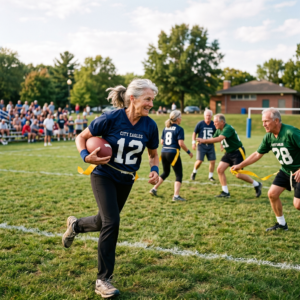
Physical activity is one habit that comes up over and over among people who age well. Movement keeps muscles strong, joints flexible, and supports heart health. I try to include some type of movement daily, even if it’s just a walk or stretching in the living room. The key is to avoid being sedentary for long stretches. Regular activity also helps maintain a healthy weight and keeps energy levels steady.
Simple Ways to Stay Active
- Walking or hiking outdoors
- Gentle yoga or tai chi
- Swimming or water aerobics
- Short strength sessions with body weight exercises
- Active chores like gardening or cleaning
Staying active after 50 doesn’t mean running marathons, unless you want to. It’s about finding enjoyable ways to move regularly. Participating in community-based fitness programs, dance classes, or just making time for daily stretches can make a noticeable difference. Every bit of movement, from parking farther away to taking the stairs, can count toward a more active day.
2. Building Strong Social Connections
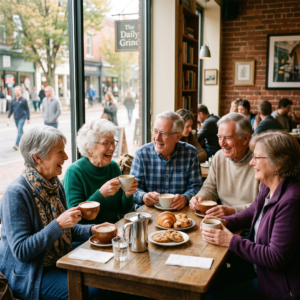
Good relationships add so much value to life. People who enjoy healthy aging usually maintain strong friendships and connections with family, neighbors, or community groups. As I’ve seen with my loved ones, having regular chats, meetups, or shared hobbies really boosts mood and motivation. Social connection supports both brain health and emotional well-being.
 Ideas for Strengthening Social Ties
- Call or text friends regularly
- Join clubs or volunteer organizations
- Attend classes or community events
- Plan weekly lunches or coffee dates
- Start a hobby group, such as book clubs, knitting circles, or walking groups
Engaging with your community, reconnecting with old friends, or participating in intergenerational activities can help keep feelings of isolation at bay. Don’t underestimate the power of a simple conversation or reaching out to someone new. Shared experiences with others often lead to new friendships and a deeper sense of belonging.
3. Eating a Balanced, Nutritious Diet
Nutrition habits start to show their impact as the years pass. I notice more energy and focus when I eat foods rich in whole grains, fruits, vegetables, healthy fats, and lean proteins. Many people who age well keep meals varied and colorful. Eating this way supports weight management, bone health, and a healthy immune system as we age.
My Everyday Nutrition Tips
- Include several servings of fruits and vegetables each day
- Limit processed foods and high-sugar snacks
- Choose fiber rich whole grains
- Add fish or plantbased proteins to meals
- Drink enough water throughout the day
Meal prepping or batch cooking can make it easier to stay on track, especially if you live alone or get tired cooking every night. Food isn’t just nutrition, either; sharing a meal with someone is a great way to stay connected. If you’re curious about new recipes or ingredients, check out your local farmer’s market or try a cooking class to spice things up. Little changes like swapping regular bread for whole grain or adding an extra serving of veggies to dinner can have a big effect over time.
4. Keeping the Mind Engaged
Learning new things and challenging your brain is a really important part of longevity. I make it a point to try out new hobbies, read different genres, or solve puzzles. People who keep their minds busy often see less decline in thinking skills with age. Mental activity also makes life more interesting and fun.

Ways to Stay Mentally Sharp
- Read a variety of books, newspapers, or magazines
- Work on jigsaw puzzles, sudoku, or crosswords
- Learn a new skill, language, or game
- Create music or do arts and crafts projects
- Teach or mentor others in an area you enjoy
Besides games and puzzles, staying mentally sharp can mean engaging in discussions or keeping up with current events. Some people find that joining a class at a community college or starting an online course adds structure and motivation. Trying something totally new, like painting or learning a musical instrument, can also work wonders for cognitive health.
5. Prioritizing Quality Sleep
As I get older, sleep sometimes becomes less predictable. But sleep is super important for recovery, concentration, and mood. Most experts recommend aiming for 7 to 9 hours a night. I’ve found that a calming bedtime routine and keeping a regular sleep schedule really helps. People who age well often have a wind-down process in the evening and keep their bedrooms dark and quiet.
Better Sleep Checklist
- Go to bed and wake up at the same time each day
- Avoid caffeine and heavy meals before bed
- Keep electronic screens out of the bedroom
- Try deep breathing or gentle stretches before sleep
- Use blackout curtains or a sleep mask if needed
Creating a relaxing bedtime ritual, like reading, meditating, or taking a warm bath, helps set the mood for restful sleep. Limiting naps during the day and making your bedroom a comfortable retreat also supports better sleep.
6. Managing Stress with Healthy Outlets
Chronic stress can take a toll on both mind and body. I try to notice when I’m feeling tense, then use simple practices to reset. People who age well often use stress management tools daily. Healthy outlets like exercise, meditation, or time in nature make a real difference for mood and health.
My Favorite Stress Relievers
- Slow breathing or simple meditation apps
- Walking in a park or near water
- Listening to music
- Journaling or talking things out with a friend
- Spending time with a pet
Incorporating humor into your day, whether that’s watching your favorite comedy or just finding things to laugh about, can offer instant relief from stress. Nature therapy, like gardening or sitting in the sunshine, is another gentle but powerful way to reset your mood.
7. Protecting Bone and Joint Health
Joint pain and bone health get more attention as I get older. Regular weight bearing activities, such as walking or light resistance training, help keep bones strong. Not smoking, getting enough calcium and vitamin D, and keeping a healthy weight also matter. Talking to my doctor about bone density screenings helps me stay on track.
In addition to exercise, being mindful of slips and falls and using supportive footwear can significantly reduce the risk of injury. And you should consider adding vitamin D–rich foods like salmon or fortified milk to your meals, especially if you spend most of your time indoors. Taking small actions now can make it easier to keep moving freely later on.
8. Scheduling Regular Health Screenings
 Even when I feel fine, routine check-ups are really important. Many people who age well catch health issues early through regular screening for blood pressure, cholesterol, cancer, hearing, vision, and more. Immunizations and dental care are also part of the picture. I keep a list or calendar reminders so nothing slips through the cracks.
Partnering with your healthcare provider creates a strong safety net. Ask questions when you’re not sure about which screenings to schedule, and know that preventive care can help catch little issues before they grow into something bigger. Staying up-to-date with flu shots, shingles vaccines, and regular eye exams makes a big difference in overall well-being.
9. Avoiding Harmful Habits
Some habits get in the way of healthy aging. People who age well limit or avoid smoking and keep alcohol use in check. I also watch my screen time, especially before bed, because it can affect sleep and stress. If you need help quitting tobacco or reducing alcohol, support groups and health professionals can provide guidance.
Reducing exposure to secondhand smoke and choosing healthier routines, like replacing an evening drink with herbal tea, can add up to big benefits. It’s also worth paying attention to other potentially harmful habits, such as being overly sedentary or skipping meals, and making small adjustments as needed.
10. Staying Curious and Maintaining Purpose
Purpose and curiosity add a lot of meaning to life at any age. When I have a reason to get up in the morning, whether it’s volunteering, spending time with grandchildren, or learning something new, I feel more motivated and happy. Studies on longevity habits show that purpose and curiosity support emotional health and even boost resilience during difficult times.
Some people find purpose in creative projects, nature, or spiritual practices. I check in with myself every few months to ask what’s inspiring me lately or which goals I’m excited about.
If you’re feeling stuck, try jumping into a new volunteer opportunity or take on a challenge that stretches your comfort zone. You might stumble upon a talent or cause that excites you, bringing fresh meaning to your days.
11. Practicing Safe Movement and Fall Prevention
 As balance and coordination change with age, preventing falls becomes an everyday habit, especially for staying active after 50. I make sure my living spaces are clutter free, wear proper footwear, and practice balance exercises. Many communities offer fall prevention classes, which I recommend for anyone wanting to improve confidence and strength.
Adding lighting in hallways and bathrooms, using handrails on stairs, and placing non-slip mats in the tub help guard against falls. Practicing simple balance routines, like standing on one foot or walking heel-to-toe, can improve stability and keep you moving confidently.
12. Keeping a Positive Outlook
I often notice that people who age well have an open and optimistic view of life. They focus on what they can do, rather than what they can’t. I try to laugh every day, keep a sense of gratitude, and connect with things that bring me joy, like music, humor, or time outdoors. A positive attitude helps me deal with changes and keeps me motivated to live well as I age.
Building a gratitude journal, celebrating your wins, and surrounding yourself with uplifting people can help nurture a brighter perspective. Remember that setbacks are part of life, and having a network to lean on makes the tough times easier to manage.
Bringing Healthy Aging Habits Together
No one gets everything perfect, and everyone faces challenges. I remind myself that healthy aging is all about steady effort and being kind to myself along the way. Even adopting a couple of these longevity habits makes a big difference over time. With regular attention to my physical, mental, and emotional health, I find that living well as I age feels easier and more rewarding.
If you’re working on healthy aging or staying active after 50, I hope these ideas help build habits you’ll enjoy for years to come. Small, practical changes today support confidence, strength, and joy for the long run. Embrace each stage with curiosity, stretch yourself to try new things, and remember that it’s never too late to set the foundation for healthy, happy aging.