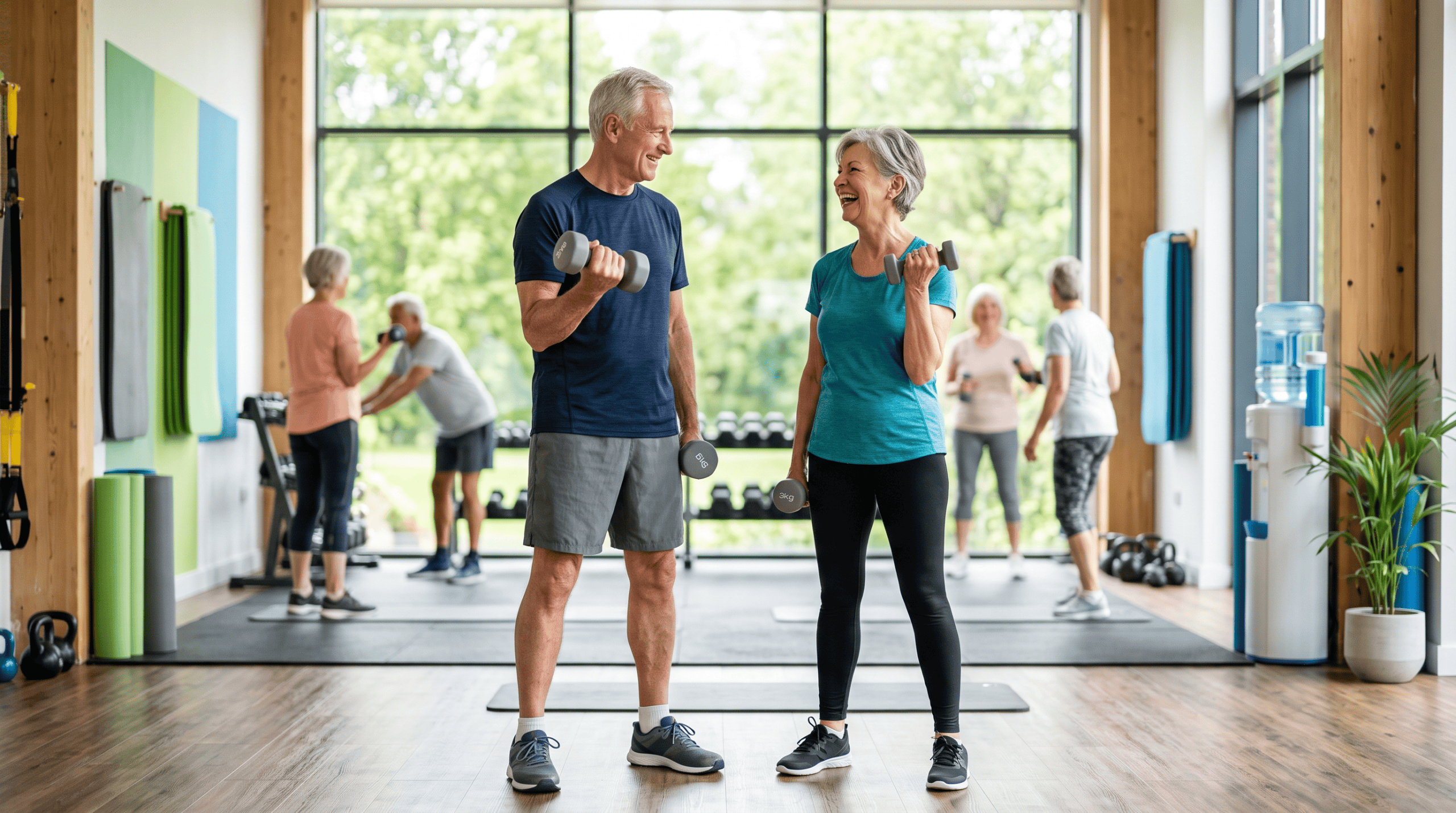
Strength training becomes even more meaningful as we age. Keeping our muscles strong helps us stay independent, supports healthy joints, and makes everyday tasks less tiring. Many people over 60 notice it’s easier to lose muscle and harder to stay strong, but building muscle and strength is completely possible with the right approach. I want to share some practical details on why strength training matters for seniors, answer common questions, give beginner workout ideas, cover safety and nutrition, and provide a bigger-picture view of how to train safely and effectively as you get older.
As an Amazon Associate Age With Intent earns from qualifying purchases.
Why Strength Training Becomes So Valuable After 60
You may notice a few key changes in your body as you approach the later years of life. Age can bring on a gradual drop in muscle mass, often called sarcopenia. Starting in your 30s, experts say adults lose about 3% to 8% of muscle per decade, with the pace picking up after age 60. Not only does this make people feel weaker, but it can also affect balance, metabolism, and bone health. Losing muscle means burning fewer calories, which can make weight control harder and put extra strain on joints. Research from the National Institutes of Health clearly shows that strength training helps slow or even reverse some of these aging effects. Staying active with resistance workouts can mean keeping your independence longer, having more energy, feeling steadier on your feet, and it can support heart health, too.
Besides these benefits, strength training works wonders for mental health—boosting self-esteem, fighting stress, and possibly even helping my brain stay sharp. Strength training doesn’t just build muscles—it boosts your mood too. It can help you shake off anxiety and depression. Engaging in regular training can help clear your mind and boost your confidence, keeping you happier and more relaxed.
For anyone who wants to travel, garden, or simply keep up with grandkids, building strength is a smart and lasting investment in health.
Common Myths About Strength Training for Older Adults
There are a few worries and myths floating around about lifting weights or using resistance bands later in life. Let me break down some of the most popular ones:
- “I’m too old to build muscle.”: Research has proven many times that people well into their 70s and 80s can grow stronger and build muscle with regular, safe strength workouts. Age might require a bit more patience, but steady progress still comes with consistency.
- “Strength training is dangerous for seniors.”: Using the right form and intensity, strength workouts are safe. The risk actually goes up when we don’t move and lose muscle, which can lead to more falls or injuries.
- “Heavy weights are required.”: Effective strength building can happen with light dumbbells, resistance bands, or even bodyweight moves like wall pushups. Consistency is what matters most—not lifting the heaviest weight available.
- “Soreness or pain means I’m doing it wrong.”: A little soreness is normal as muscles adapt, but sharp pain or strain means it’s time to stop. Listening to your body and easing in will help you stay on track and avoid unnecessary injuries.
It’s also worth noting that you don’t have to spend hours a day to see benefits. Two or three well-structured sessions each week provide real results when paired with steady effort and patience.
Additional Benefits
Balance and flexibility are two superheroes in the senior world – often saving the day from falls and injuries. By engaging in strength training, you’re not just building muscle, you’re also improving your balance. This keeps everyday movements smooth, reducing the chance of taking an unexpected tumble to the floor.
Also, as years add up, bone density can start to drop quickly. Strength training is like a jump-start for your bones, working to keep them dense and strong. This is a fantastic way to help prevent fractures and keep conditions like osteoporosis at arm’s length.
And your heart gets some love too. Strength training improves circulation and overall cardiovascular health. This can lead to better endurance and energy, making everyday tasks easier. Simply put, a healthy heart means a healthy life, so it’s a win-win!
How to Start Strength Training Safely After 60 (Even if You’re Brand New)
Beginning strength training doesn’t require a gym or fancy equipment. Your adventure can start with everyday items and some simple steps:
- Pick exercises you can do comfortably, either sitting or standing, like squats to a chair, wall pushups, or bicep curls with cans of soup if you don’t have dumbbells.
- Warm-ups are key. Marching in place or arm circles for 5 minutes get blood moving and muscles ready for the work ahead.
- Slow and steady works best. Start with 1 or 2 sets of 8–10 repetitions and add more as you get comfortable and build stamina.
- Breathing matters. Exhale when you lift or push, and inhale as you lower the weight or relax. Holding your breath can make your blood pressure spike and place extra strain on your body.
- Rest at least 48 hours between sessions for each muscle group. This gives muscles time to repair and grow, reducing the risk of strains.
 If you haven’t been active for a while, checking with your healthcare provider is really important, especially if you have any health concerns or have had falls in the past. Even a short consultation can provide peace of mind and guidance tailored to your circumstances.
Starting slow. I often suggest two days per week to begin. Once your body adjusts, maybe increase to three. If a particular exercise feels off, make small changes—shorter range of motion or less resistance—until it feels manageable.
Sample Beginner Weekly Workout Plan for Seniors
A simple plan keeps things from feeling overwhelming, especially for those new to exercise. Here’s a weekly schedule that will help you build the habit and actually see results:
- Monday – Full Body Strength
Chair squats, wall pushups, seated row with resistance band, standing calf raises - Wednesday – Upper Body Focus
Seated bicep curls, triceps extension with band, overhead shoulder press (with light dumbbells or bands) - Friday – Lower Body Focus
Stepups (using stairs), standing hamstring curls, seated leg extension (using ankle weights or just bodyweight)
Each session takes about 20–30 minutes. Focus on good posture, slow movements, and keeping your core steady and braced. Start with 1 set of each exercise and add more as you gain confidence. Stretching at the end keeps joints loose and comfortable for daily activities. If you want to make sessions a little longer or more varied, you can add in some balance moves or gentle walking.
The Best Equipment for Exercising at Home
Setting up home strength training doesn’t need a big budget or a spare room. Here are some items to rely on for most routines:
- Resistance bands (different colors signal different strengths)
- Light hand weights (1–5 lbs is a good place to start; adjustable sets are great as you get stronger)
- Sturdy chair (no wheels, handy for sit-to-stand exercises and support)
- Yoga mat or towel for comfort during floor work
- Door anchor (for extra resistance band moves if needed)
- Ankle weights (to add challenge to lower body exercises once ready)
Find helpful items on our Products We Trust page.
These tools fit easily into a closet or under the bed, making it simple to pull them out for a quick session. With these around, you can train almost anywhere—living room, bedroom, even the backyard on nice days—or travel with just a resistance band in your suitcase.
Even if you don’t have equipment right away, bodyweight exercises like wall pushups, chair squats, or standing calf raises let you get started. Over time, adding just a few items helps you mix things up and stay motivated.
Nutrition and Protein for Building Muscle After 60
Muscle repair and growth need protein and balanced nutrition. Make it a habit to aim for protein at every meal—scrambled eggs or yogurt at breakfast, chicken or fish for lunch and dinner, and beans or tofu for some extra variety. Many experts recommend that older adults aim for approximately .45 to .55 grams of protein per pound of body weight daily. For a 150-pound person, that’s about 68-82 grams of protein per day. Spacing it out during each meal makes it easier for the body to build and repair muscle all day long.
Hydration is essential, too. Dehydration can slow down muscle recovery, cramp activity, and sap energy. Keep a water bottle close during workouts and sip regularly throughout the day. Along with protein, try to fill your plate with colorful vegetables, healthy fats from nuts or olive oil, and wholesome grains like oats and brown rice for overall health. If unsure about your nutritional needs, you might want to ask a registered dietitian for some advice tailored to you.
As we age, absorption of certain nutrients like vitamin D and calcium can go down, so including dairy, greens, or fortified foods may help keep bones strong while building muscle. Supplements may be useful in some cases, but food is usually the best place to start.
For more simple ways to support your health through everyday food choices, explore our article on healthy eating for older adults.
When to Talk to a Healthcare Provider Before Starting
Always make sure to check in with your doctor before changing your exercise routine, especially if you have any chronic conditions like heart issues, uncontrolled blood pressure, recent surgery, bone injuries, or balance troubles. Your provider can recommend safe places to begin and may suggest seeing a physical therapist for extra support.
The CDC has some helpful information about starting an exercise program as an older adult.
If you experience dizziness, chest pain, sudden weight loss, or sharp joint pain during a workout, take it as a stop sign and schedule a checkup.
Group senior fitness classes offered by many health systems are another excellent option—they provide supervision and a boost of confidence for those who feel nervous about starting alone.
Frequently Asked Questions
Some questions come up most often when people of an older age consider strength training for the first time:
Question: Can I really get stronger after 60?
Answer: The answer is yes. Research and personal stories show plenty of people gaining strength, balance, and fitness at any age. Progress might be a bit slower, but with regular practice improvements absolutely happen.
Question: Do I need fancy equipment or a gym membership?
Answer: Not at all. You can use home items like resistance bands or light dumbbells. A gym can be helpful, but it’s totally optional for getting fit and strong in your 60s or beyond.
Question: How do I avoid injuries?
Answer: Paying attention to good form, warming up, and never pushing through pain is crucial. Strength gains come with steady work, not rushing. Getting input from a physical therapist or trainer for beginners is always a smart move.
Question: How important is protein?
Answer: Protein gives your muscles what they need to repair and grow after a workout. Having it at each meal supports steady progress and keeps recovery on track.
Moving Forward with Strength Training at Any Age
Making strength training a regular part of life lets you keep enjoying everything you love—playing with grandkids, gardening, traveling, or simply feeling steady on your feet. Staying consistent, celebrating small improvements, and not being afraid to ask for help are what makes the difference. Building strength truly doesn’t have an age limit. Every session gives a boost in energy, balance, and quality of life, helping you enjoy your golden years with more confidence and independence.
Staying motivated can be tricky, especially if new to strength training. Setting small, realistic goals helps you celebrate achievements along the way. Maybe it’s lifting a certain weight or doing an extra rep. Every success counts! Plus, sharing these goals with a friend or trainer can give you an extra boost and holds you accountable.
If you’re ready to jump in, remember: start at your pace, listen to your body, and keep at it. The results are worth it, and you’re never too old to get started!
Your Next Step Toward Aging Well
Aging well is about more than staying healthy. It’s about feeling confident, staying independent, and making thoughtful choices for the future.
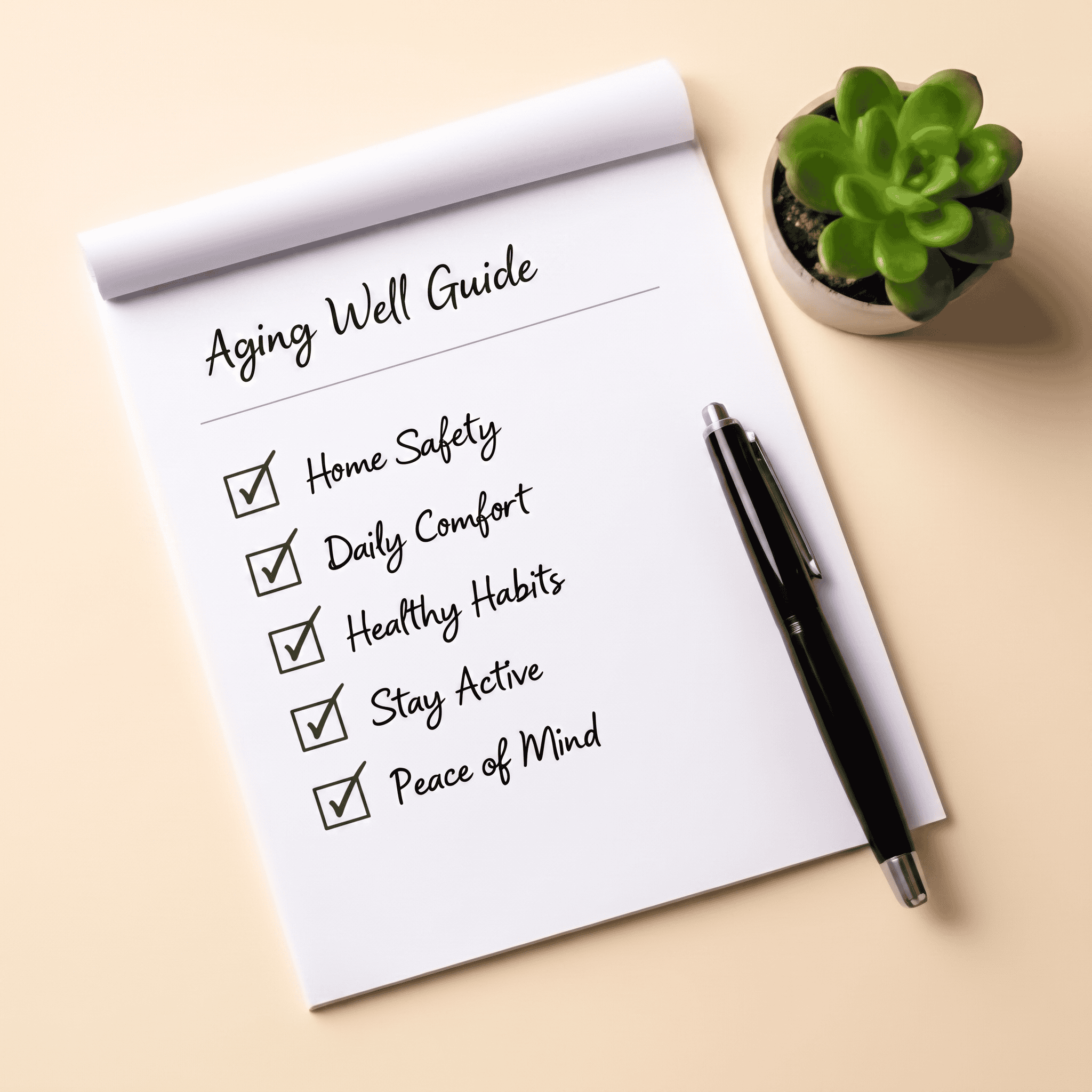
Our FREE Aging Well Guide offers practical tips for home safety, healthy and active living, and planning ahead—so you can take meaningful steps toward living well at every age.
Get Your Free Aging Well Guide →
Practical guidance to help you live well and age with purpose.
About the Author
I’m Heather, founder of Age With Intent. I have more than 25 years of experience in long-term care leadership, including over 15 years as a Nursing Home Administrator.
Throughout my career, I’ve seen firsthand how important safety, independence, and thoughtful planning are to aging well.
I created Age With Intent to share practical information and resources that help older adults and their families make informed decisions, maintain independence, and live well at every stage of life.





8 Responses
Thank you for sharing this valuable article, Heather. I absolutely agree that strength training is one of the most underrated tools for healthy ageing. Many people associate getting older with becoming weaker, but I love the message that we can continue to support our bodies, maintain independence, and build confidence at any stage of life. (I wish some of my friends who have given up on their self-care would read this..!)
I think true wellbeing comes from looking at the whole picture, e.g. movement, nutrition, quality sleep, mental wellbeing, and meaningful connections all play an important role. Strength training is such a powerful reminder that our bodies are adaptable and that we can actively participate in our own vitality. And what a blessing to know that we can start at any age.
Do you think the biggest barrier for seniors starting strength training is physical ability, or is it more often confidence / mindset barrier, and the belief that it’s ‘too late’ to begin..?
Thank you for reading the article Lucie. What a great question you pose. In my experience working with older adults, the biggest barrier is usually not physical ability – it’s confidence and the belief that “I’m too old to start.” Many people assume strength training means lifting heavy weights, when in reality it can begin with simple bodyweight exercises, resistance bands, or light dumbbells. Once people realize they can start safely at their own pace and begin to feel stronger and more confident, those mental barriers often fade. It is never too late to improve strength, balance and quality of life. Live well – age well.
This article really hit home for me. I’m in my late 60s now, and I’ve become much more aware that staying strong isn’t about looking athletic anymore—it’s about maintaining my independence and being able to keep doing the things I enjoy. Reading that strength training can improve balance, help prevent falls, and even build muscle well into our 70s and 80s was encouraging.
My wife has also become increasingly unsteady on her feet, so this is something we’ve been talking about more often. Your suggestion to start with simple exercises a couple of times a week makes the idea feel much less intimidating than trying to jump into a full workout program. I like the reminder that consistency matters more than lifting heavy weights.
I used to take a lot of inspiration from my mother’s late husband. Into his 80s and even early 90s, he was still working out. He believed in keeping his muscle mass so that he could complete daily activities. Ultimately, it was dementia and cancer that did him in, but his body was always healthy.
One question I have is this: for someone who hasn’t done strength training in many years, would you recommend beginning with a physical therapist or trainer for a few sessions to learn proper form, or are the basic home exercises in your article a safe place for most healthy seniors to start?
Thank you for the comments Scott. I have taken inspiration from my uncle who went to the gym early every morning until the age of 88.
You ask a great question. These basic home exercises described are a safe place to start when performed slowly, with good form and with little to no weight at first.
However, if someone has recently had surgery, has a significant balance issue, osteoporosis, heart disease, chronic pain, or other medical conditions, it’s a good idea to consult with their health care provider first. In many cases a few sessions with a personal trainer who has experience working with older adults can be very helpful to learn proper techniques and build confidence.
The goal isn’t to become a body builder. It’s to build the strength needed to stay active, independent, and to have the ability to enjoy everyday life.
Thank you for sharing this information. It really is important to train your body because when you get to the ages of sixty it starts to feel weak. I have a couple of years left until i reach 60 and this post is a motivation to keep pushing. Thanks again.
Thank you for reading and commenting. Staying motivated is a challenge sometimes, so I’m happy to hear this helps. I’ve found that the people who stick with their routine keep it simple, mix it up once in a while, and find fun and joy in their choices for exercise. I wish you all the best! Live well – age well!
Hi Heather,
Your website and articles are great and I’m going to share this with my parents (aged 78 and 77) as I know they will benefit from the great advice you share.
I will encourage them to put into practice what they learn from you so they can see the benefits quickly.
I’ll also advise that if they have any questions or issues you can help with then they should comment or contact you. If that is OK?
Thank you for sharing and keep up the amazing work.
All the best,
Tom
That is so nice to hear Tom. This is the very reason I created Age With Intent! I welcome comments and questions from you or your parents at any time.