
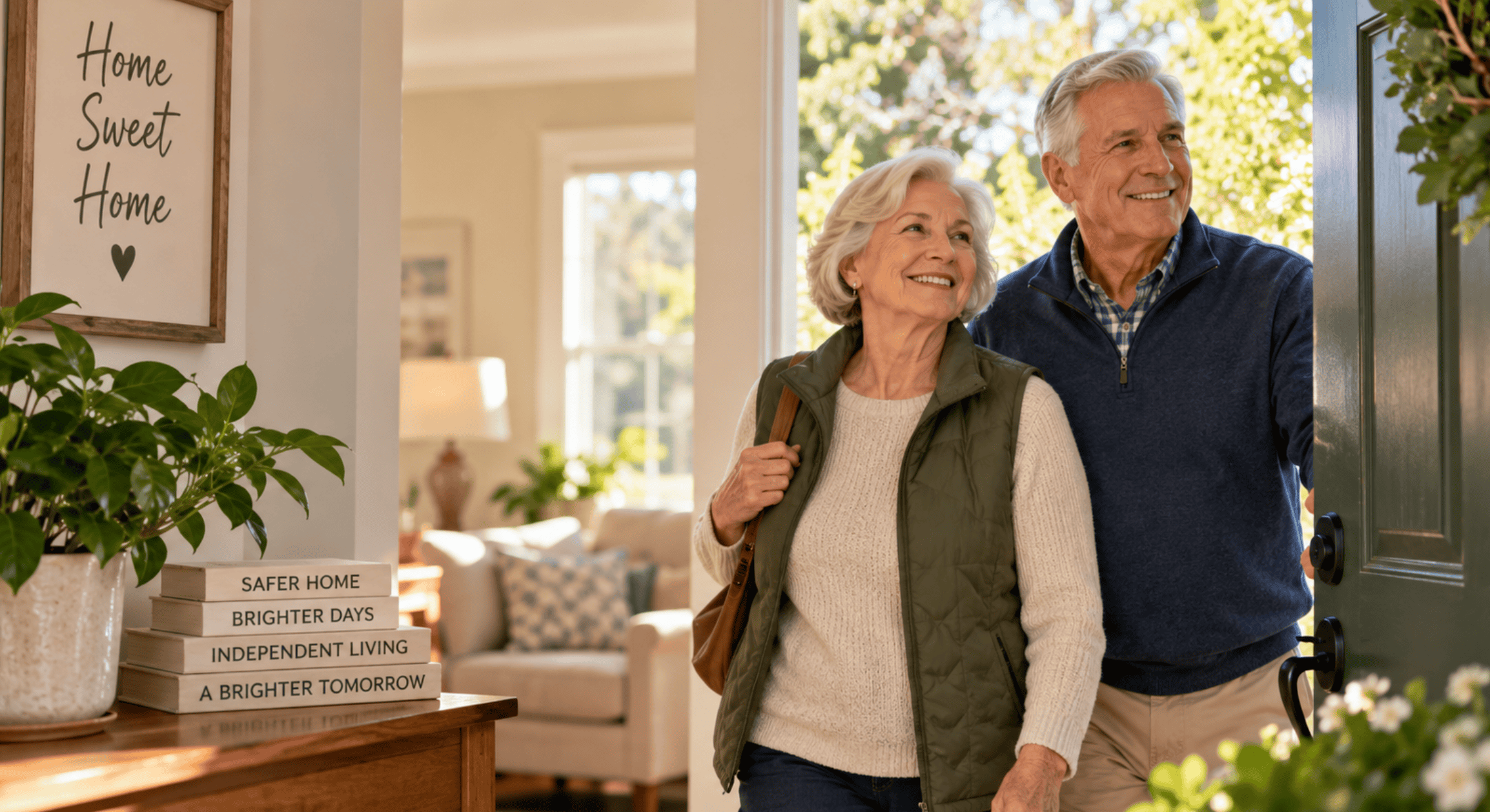
Staying active after 60 doesn’t have to mean joining a gym, running several miles, or following an intense workout program.
In fact, some of the best ways to stay active are probably things you already enjoy doing—walking, gardening, swimming, working around the house, playing with grandchildren, or simply getting outside.
The important thing is to keep moving.
Regular physical activity can help support strength, balance, mobility, heart health, and your ability to continue doing everyday activities independently. And if you haven’t been particularly active lately, it’s not too late to start.
The goal isn’t to exercise like you did at 30. It’s to find realistic ways to move your body regularly so you can continue doing the things you enjoy.
Why Staying Active Becomes Even More Important After 60
Physical activity is an important part of healthy aging.
As we get older, maintaining strength, endurance, balance, and mobility can make a significant difference in how easily we navigate everyday life.
Think about the activities you want to continue doing: climbing stairs, carrying groceries, working in the garden, traveling, getting down on the floor with grandchildren, walking around a new town, or simply getting up from a chair without difficulty.
Staying active helps support the physical abilities behind those everyday activities.
The CDC recommends that adults 65 and older work toward a combination of aerobic activity, muscle-strengthening activity, and balance activities each week. The general target is at least 150 minutes of moderate-intensity aerobic activity per week, muscle-strengthening activities on at least two days, plus activities that improve balance.
Don’t let those numbers discourage you, though. If you’re starting from a fairly inactive lifestyle, you don’t need to accomplish all of that during your first week.
Start where you are and build from there.
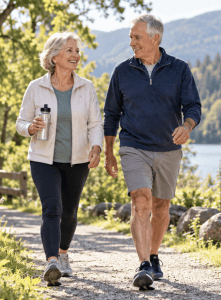
1. Make Walking Your Starting Point
Walking may be one of the simplest ways to become more active because it requires very little equipment and can fit easily into everyday life.
You don’t necessarily need to take a long walk all at once.
Try walking for 10 or 15 minutes in the morning, taking another short walk after dinner, parking farther from the entrance when running errands, or walking around a store when the weather isn’t cooperating.
If you’re already comfortable walking, gradually increase your distance or pace.
The best walking routine isn’t necessarily the one that burns the most calories. It’s the one you’re likely to continue doing.
2. Look for Movement in Things You Already Do
Physical activity doesn’t only happen during a formal workout.
Gardening, yard work, cleaning the house, carrying groceries, walking the dog, dancing, and playing actively with grandchildren all get you moving.
That matters because one of the easiest ways to become more active is to stop thinking of movement as something that only “counts” when you’re exercising.
Look at an ordinary day and ask yourself:
Where could I move a little more?
Take the stairs when it’s reasonable. Walk to the mailbox. Put on music while you’re cleaning. Spend some time working outside. Get up and move around periodically when you’ve been sitting for a long time.
Small amounts of movement throughout the day add up.
When the weather is warm, it’s important to adjust your activities to stay safe. Try walking or gardening during the cooler morning or evening hours, take frequent breaks, and stay hydrated. Understanding the difference between heat exhaustion and heat stroke can also help you recognize warning signs before a hot day becomes dangerous.
3. Include Strength Training
Walking is excellent, but it doesn’t replace strength training.
Muscle strength helps with some of the most basic activities required for independent living—from standing up and climbing stairs to carrying bags and performing household tasks.
Strength training doesn’t necessarily require heavy weights or complicated gym equipment. Depending on your abilities, you might use resistance bands, light hand weights, body-weight movements, or exercises such as repeatedly standing up from a sturdy chair.
If you’re wondering why resistance exercise becomes increasingly important as we age, read The Benefits of Strength Training for Seniors.
And if you’re looking for exercise ideas, see our 10 Best Strength Training Exercises for Seniors.
You don’t have to become a bodybuilder. The objective is to maintain the strength you need for your life.
4. Don’t Overlook Balance
Balance deserves its own place in an active lifestyle after 60.
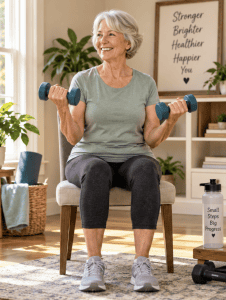
Simple balance activities can help maintain stability and confidence when moving through your home and community.
Some activities naturally incorporate balance along with other types of movement. Depending on your abilities and interests, yoga, tai chi, dancing, and certain recreational activities may combine several types of physical activity.
When practicing balance exercises, safety comes first. Use a sturdy chair, counter, wall, or other appropriate support when needed, particularly if you are uncertain about your balance.
Balance and mobility also connect directly with another important part of aging well: reducing your risk of falls.
5. Find an Activity You Actually Enjoy
You don’t have to love “exercise” to enjoy being active.
Maybe you dislike treadmills but love hiking. Perhaps lifting weights doesn’t appeal to you, but gardening does. You might enjoy swimming, pickleball, golf, dancing, cycling, kayaking, walking with a friend, or taking an exercise class.
There isn’t one perfect activity for everyone.
Enjoyment matters because consistency matters.
You’re much more likely to continue an activity that gives you something besides exercise—a beautiful view, time with friends, fresh air, a sense of accomplishment, or simply fun.
6. Make Activity Social
Movement can also help you stay connected.
Ask a friend to walk with you. Join a community exercise class. Play pickleball. Walk with your spouse after dinner. Meet someone for a hike instead of meeting for coffee.
The National Institute on Aging recommends building social support as one strategy for getting and staying active, noting that walking groups, exercise classes, and workout partners can provide both activity and opportunities for social engagement.
This is a great example of how healthy-aging habits can reinforce one another. One afternoon walking with a friend can provide physical activity, fresh air, social connection, and something enjoyable to look forward to.
7. Have an Indoor Backup Plan
Weather can quickly derail a good routine.
Instead of letting rain, snow, heat, or cold end your activity plans, decide in advance what you’ll do instead.
You might walk inside a mall or large store, use a treadmill, follow an exercise video at home, use resistance bands, climb stairs, or simply put on music and move around the house.
Having a backup plan makes it much easier to remain consistent.
And remember: activity doesn’t have to happen in 30- or 60-minute blocks to be worthwhile.
Ten minutes is better than zero.
8. Start Slowly if You’ve Been Inactive
One of the biggest mistakes you can make is trying to compensate for months or years of inactivity in one weekend.
If you haven’t exercised regularly, start slowly.
A realistic first goal might be a 10-minute walk three times this week rather than deciding you’re suddenly going to exercise for an hour every day.
The National Institute on Aging recommends gradually increasing activity over weeks or months, starting with activities appropriate for your current fitness level.
Pay attention to how your body responds and build gradually.
If you have a chronic health condition, injury, significant balance problems, or concerns about whether a particular activity is appropriate for you, talk with your healthcare provider or an appropriate exercise or rehabilitation professional.
A Simple Way to Get Started This Week
If becoming more active feels overwhelming, forget about creating the perfect exercise program.
Try this instead:
Monday: Take a 10–15 minute walk.
Tuesday: Do a few simple strength exercises appropriate for your ability.
Wednesday: Take another short walk or work outside.
Thursday: Practice some gentle movement, flexibility, or balance activities.
Friday: Walk again.
Weekend: Do something active that you genuinely enjoy—garden, hike, swim, dance, explore somewhere new, or take a longer walk with someone.
That’s it.
You’re not trying to transform yourself in seven days. You’re beginning to establish a pattern.
As your endurance and confidence improve, you can gradually increase how much you do.
Staying Active After 60 Is About More Than Exercise
The real reason to stay active isn’t to hit a certain number on a fitness tracker.
It’s to preserve your ability to live the life you want.
You want to be able to walk around on vacation. Carry your own groceries. Work in your garden. Keep up with your grandchildren. Get out of a chair easily. Live safely in your own home. And continue saying yes to the activities that make life enjoyable.
Movement helps support those goals.
You don’t need to do everything at once, and you don’t have to exercise perfectly.
Start with something you enjoy, do a little more than you’re doing now, and keep going.
That’s a pretty good way to age with intent.
Your Next Step Toward Aging Well
Aging well is about more than staying healthy. It’s about feeling confident, staying independent, and making thoughtful choices for the future.
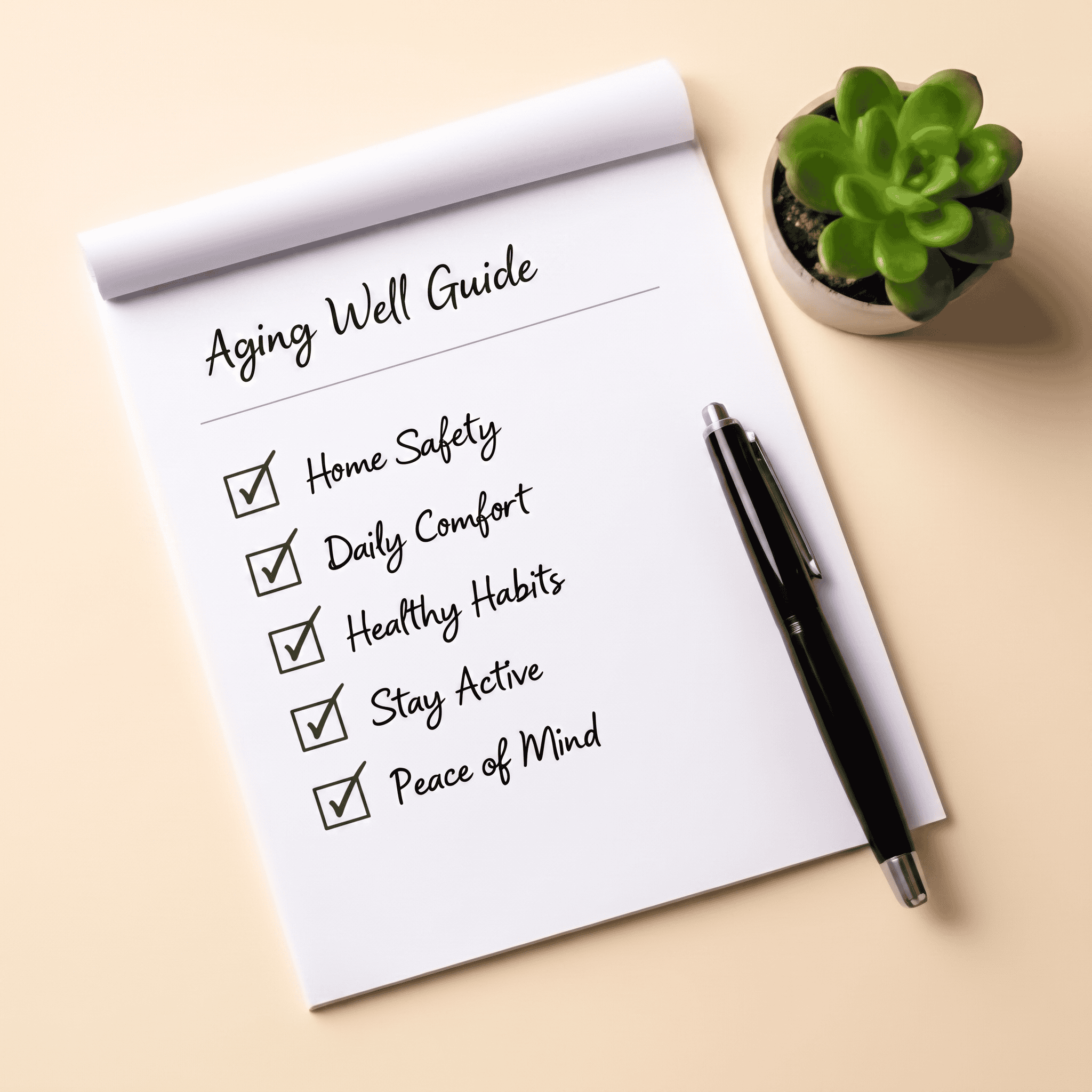
Our FREE Aging Well Guide offers practical tips for home safety, healthy and active living, and planning ahead—so you can take meaningful steps toward living well at every age.
Get Your Free Aging Well Guide →
Practical guidance to help you live well and age with purpose.
About the Author
I’m Heather, founder of Age With Intent. I have more than 25 years of experience in long-term care leadership, including over 15 years as a Nursing Home Administrator.
Throughout my career, I’ve seen firsthand how important safety, independence, and thoughtful planning are to aging well.
I created Age With Intent to share practical information and resources that help older adults and their families make informed decisions, maintain independence, and live well at every stage of life.




2 Responses
Hi Heather,
Thank you for sharing such a helpful article.
I am not 60 yet, but I am definitely going to keep in touch with your site so I can learn about ageing with intent, and also things I can do after a certain age to keep myself healthy.
Keep sharing such valuable articles, especially for people who are ageing without intent.
All the best,
Tom
Thanks for reading this article and sharing your thoughts. Remember, it’s never too early to get started – especially for those who may not be aging with intent yet!