
Living with a chronic health condition can add another layer of planning to everyday life. Medications, appointments, symptoms, nutrition, activity, and changes in how you feel may all require attention.
Conditions such as high blood pressure, diabetes, arthritis, heart disease, and chronic respiratory conditions become more common as we get older. But having a chronic condition doesn’t mean giving up the activities, routines, or independence that matter to you.
Managing your health is often about creating simple, sustainable routines: understanding your treatment plan, taking medications safely, staying appropriately active, keeping track of important health information, and communicating with your healthcare providers.
The goal isn’t perfection. It’s to make managing your health fit into your life—not allow it to become your entire life.
Note: This article provides general educational information and is not a substitute for medical advice. Your healthcare provider can help you determine what is appropriate for your individual health conditions, medications, and abilities.
As an Amazon Associate Age With Intent earns from qualifying purchases.
Start With a Health Management Routine
When you’re managing one or more chronic conditions, having important information organized in one place can make everyday life easier—and make healthcare appointments more productive.
Consider keeping a simple health record that includes:
- Your current health conditions
- A list of medications and supplements
- Medication doses and schedules
- Allergies
- Names and contact information for your healthcare providers
- Important health measurements you have been asked to track
- Recent changes in symptoms
- Questions you want to ask at your next appointment
- Emergency contact information
You don’t need an elaborate system. A notebook, binder, secure digital file, or health-management app can work. The best system is one you can easily maintain and find when you need it.
If you see several healthcare providers, keeping your own updated information can be especially helpful.
Make Medication Management Easier and Safer
Medications can become more complicated as we age, particularly when several prescriptions, over-the-counter medicines, vitamins, or supplements are involved.
The National Institute on Aging recommends keeping a complete list of everything you take and sharing it with your healthcare providers. Certain medicines and supplements can interact with one another, and taking multiple medications can increase the possibility of side effects and other problems.
Your medication list should include:
- Prescription medications
- Over-the-counter medicines
- Vitamins
- Dietary or herbal supplements
- The dose of each
- When you take it
- Why you take it, when applicable
Ask questions when something isn’t clear. Your pharmacist can also be an excellent resource for questions about medications, possible interactions, instructions, storage, and side effects.
Simple routines can make medications easier to manage. Depending on your needs, that might mean taking medications at consistent times, setting reminders, using a weekly pill organizer, or using another medication-management system.
Never stop or change a prescription medication without first discussing it with the appropriate healthcare professional.
Related: Medication Organization Tips for Safer, Easier Daily Routines
Know What You Need to Monitor at Home
Some chronic-condition treatment plans include monitoring certain health information at home.
Depending on your individual needs, your healthcare provider may ask you to keep track of things such as:
- Blood pressure
- Blood glucose
- Weight
- Pain
- Changes in symptoms
- Medication side effects
Home monitoring can help you and your healthcare team recognize changes and determine whether your treatment plan is working as intended. The CDC recommends following the monitoring schedule established with your healthcare provider and reporting new, worsening, or concerning symptoms.
You don’t need to monitor every possible health measurement simply because a device is available. Ask your healthcare provider what information is actually useful for your particular health needs, how often it should be checked, and when a reading or symptom warrants a call.
If you do monitor something regularly, consider keeping a simple written or digital record. Patterns over time may be more useful to your healthcare provider than trying to remember individual readings during an appointment.
Stay as Active as Your Health Allows
Physical activity can be an important part of living well with many chronic health conditions. It can support strength, mobility, independence, sleep, mental well-being, and the ability to perform everyday activities.
For adults with chronic health conditions who are able, current federal recommendations call for at least 150 minutes of moderate-intensity aerobic activity each week, along with muscle-strengthening activities on at least two days per week. If you aren’t able to meet those recommendations, some activity is still better than none.
The right activity will be different for everyone.
Depending on your health and abilities, options might include:
- Walking
- Swimming or water exercise
- Strength training
- Resistance-band exercises
- Cycling
- Gardening
- Stretching and flexibility exercises
- Balance exercises
You also don’t have to accomplish your activity all at once. Finding realistic ways to move throughout the week can make activity easier to maintain.
If a health condition affects your ability to exercise or you’re unsure which activities are appropriate, talk with your healthcare provider or another qualified health professional before beginning a new exercise program.
Related: How to Stay Active After 60: Simple Ways to Move More Every Day
You may also like: Strength Training for Seniors: Benefits, Exercises, and Safety Tips
Make Healthy Eating Part of Your Routine
Nutritious food supports overall health, but there isn’t one eating plan that’s right for every person or every chronic condition.
Diabetes, heart disease, kidney disease, digestive conditions, and other health concerns may require different dietary considerations. Medications can sometimes affect dietary needs as well.
If your healthcare provider has given you specific nutrition recommendations, those should take priority over general dietary advice.
For many people, healthy eating begins with simple habits: choosing a variety of nutritious foods, planning meals ahead when possible, staying appropriately hydrated, and finding an eating pattern that is realistic enough to maintain.
Try to think of healthy eating as part of your everyday routine rather than something that needs to be perfect.
Related: Healthy Eating for Seniors: The Best Foods to Support Healthy Aging
Make the Most of Healthcare Appointments
Regular medical care is an important part of managing a chronic condition. Your appointments are also your opportunity to make sure you understand your treatment plan and to discuss changes you’ve noticed.
A little preparation can make appointments more productive.
Before your appointment
Write down:
- New or changing symptoms
- Questions or concerns
- Medication side effects you’ve noticed
- Relevant home health readings
- Changes in your ability to complete everyday activities
Bring an updated medication and supplement list with you.
During your appointment
Don’t hesitate to ask questions.
If a recommendation isn’t clear, ask for clarification. If you’re starting a new medication, make sure you understand why you’re taking it, how to take it, and what you should know about possible side effects or interactions.
You may also want to ask:
- Has anything in my treatment plan changed?
- What should I be monitoring at home?
- What symptoms or changes should I contact you about?
- Are there activities I should avoid or modify?
- When should I schedule my next appointment?
If you find it difficult to remember everything discussed during an appointment, consider taking notes or bringing someone you trust with you.
Pay Attention to Changes
When you live with a health condition for a long time, it can be tempting to assume that every new symptom is simply part of that condition or part of getting older.
Don’t automatically make that assumption.
Let your healthcare provider know about new or worsening symptoms or other changes that concern you.
This might include changes in your mobility, appetite, sleep, energy, pain, balance, mood, or ability to manage everyday activities.
Knowing your own normal makes it easier to recognize when something has changed.
Don’t Overlook Emotional and Social Well-Being
Managing a chronic condition isn’t only about medications, test results, and medical appointments.
Changes in health can sometimes affect the activities you enjoy, your daily routine, your social life, or how independent you feel. That’s why emotional and social well-being deserve attention too.
Look for ways to stay connected to people and activities that are meaningful to you.
That might mean having regular meals with family or friends, joining a community group, volunteering, pursuing a hobby, spending time outdoors, or simply making regular phone or video calls part of your routine.
If changes in your health are making it difficult to cope emotionally or you’re experiencing persistent changes in mood, talk with a healthcare professional.
Taking care of your emotional well-being is part of taking care of your overall health.
Ask for Help When You Need It
Independence doesn’t mean doing absolutely everything yourself.
Sometimes a little help with one part of your routine makes it possible to remain independent in many other areas.
You might benefit from help with:
- Transportation to appointments
- Picking up prescriptions
- Preparing meals
- Keeping track of medical information
- Setting up medications
- Shopping
- Household tasks
- Learning to use health-monitoring equipment
Technology can help, too. Medication reminders, smart speakers, automatic pill dispensers, health apps, and other tools may make some routines easier to manage.
The goal isn’t to use technology for everything. It’s to identify the tasks that are becoming difficult and find solutions that help you continue doing as much as possible for yourself.
Focus on Living Well, Not Just Managing a Diagnosis
A chronic health condition may be part of your life, but it doesn’t have to define your life.
Managing your health matters because it helps support the things that matter beyond healthcare: spending time with people you love, traveling, gardening, enjoying hobbies, staying involved in your community, living in your own home, or simply feeling confident managing your day.
Some days will require more attention to your health than others. That’s normal.
Try to build routines and supports that make managing your condition easier while preserving as much independence, comfort, and enjoyment as possible.
That’s an important part of aging with intent.
A Simple Chronic Health Management Checklist
Use this as a quick reminder:
- Keep an updated list of your medications, supplements, health conditions, and healthcare providers.
- Follow the treatment plan you’ve established with your healthcare team.
- Take medications as directed and ask questions when something isn’t clear.
- Keep up with recommended medical appointments.
- Monitor health information at home when your treatment plan calls for it.
- Pay attention to new or changing symptoms.
- Stay as physically active as your health and abilities allow.
- Follow nutrition recommendations appropriate for your individual health needs.
- Stay connected to people and activities you enjoy.
- Accept help or use supportive tools when they make everyday life safer or easier.
- Keep your healthcare team informed when your health or needs change.
Take the Next Step Toward Aging Well
Managing a chronic condition is only one part of creating a healthy, independent life as you age.
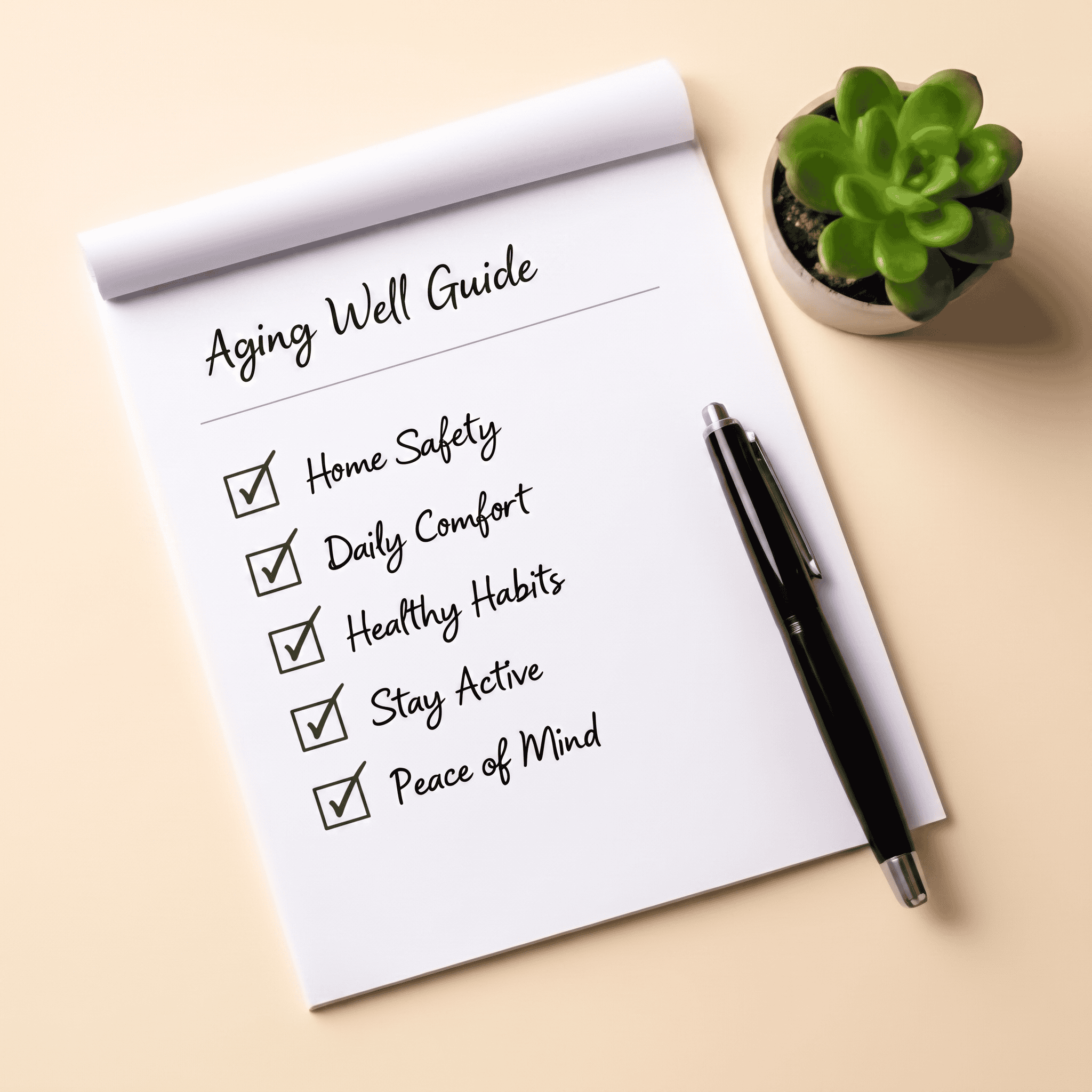
The Age With Intent Aging Well Guide includes practical ideas to help you think about your health, home safety, physical activity, future planning, and the other areas that can support independence as you get older.
Get Your Free Aging Well Guide →
Sources for the article
- CDC — Living With a Chronic Condition
- CDC — Physical Activity for Adults With Chronic Health Conditions and Disabilities
- National Institute on Aging — Taking Medicines Safely as You Age
About the Author
I’m Heather, founder of Age With Intent. I have more than 25 years of experience in long-term care leadership, including over 15 years as a Nursing Home Administrator.
Throughout my career, I’ve seen firsthand how important safety, independence, and thoughtful planning are to aging well.
I created Age With Intent to share practical information and resources that help older adults and their families make informed decisions, maintain independence, and live well at every stage of life.