
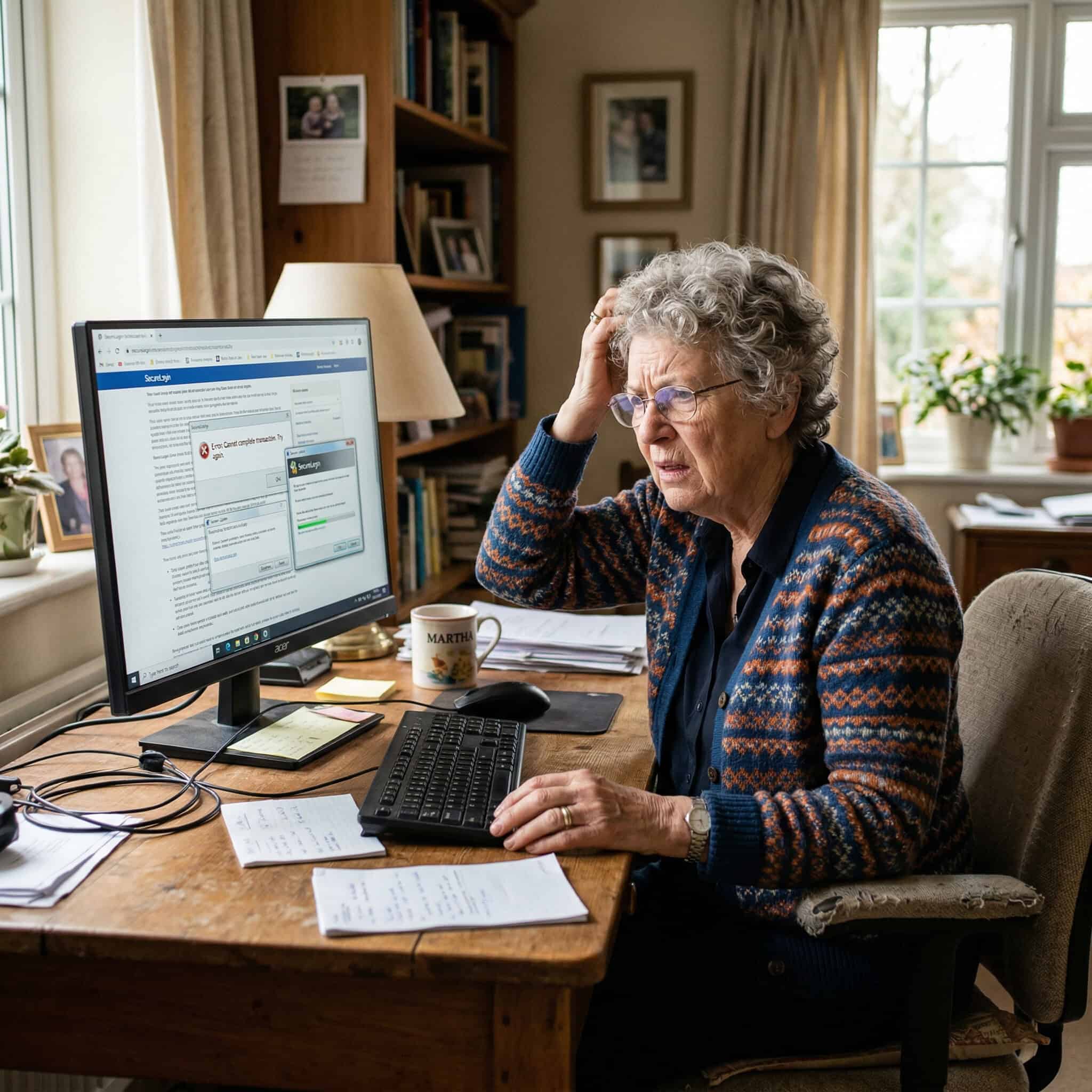
Have you ever walked into a room and forgotten why you went there? Or struggled to remember someone’s name, only to have it come to you a few minutes later?
If so, you’re certainly not alone.
Occasional forgetfulness is something many of us experience, and it can become more noticeable as we get older. But when memory changes happen more frequently, it’s natural to wonder whether they’re simply part of aging or a sign of something more serious.
The distinction between normal age-related memory loss and dementia is important, both for older adults and for the family members who care about them.
The encouraging news is that not every memory lapse is a reason for concern. Understanding what’s typical, recognizing meaningful changes, and knowing when to seek medical advice can help you approach the subject with greater confidence.
Is Memory Loss a Normal Part of Aging?
Some changes in memory and thinking are a natural part of growing older.
According to the National Institute on Aging (NIA), aging can affect how quickly we learn new information or retrieve something from memory. You might need a little more time to recall a name or remember where you placed your glasses.
These occasional lapses don’t necessarily indicate a serious problem.
Examples of common age-related forgetfulness include:
Occasionally forgetting a name but remembering it later.
Misplacing your keys and eventually retracing your steps to find them.
Forgetting what you walked into a room to do.
Occasionally missing an appointment.
Taking longer to learn how to use a new phone or other technology.
Sometimes struggling to find the right word during a conversation.
What matters most isn’t simply whether you forget something.
It’s whether those memory changes are becoming more frequent, getting worse, or interfering with your ability to manage everyday life.
Normal aging may change how quickly we remember information, but it generally doesn’t prevent us from living independently.
Normal Aging vs. Dementia: Understanding the Difference
One of the clearest ways to understand the distinction is to consider how memory changes affect daily activities.
| Normal Age-Related Changes | Possible Warning Signs |
|---|---|
| Occasionally forgetting a name but remembering it later | Frequently forgetting recently learned information |
| Misplacing belongings but retracing your steps | Repeatedly losing items in unusual places and being unable to find them |
| Forgetting the day of the week but figuring it out later | Frequently becoming confused about dates, time, or location |
| Occasionally making a mistake while paying bills | Increasing difficulty managing familiar financial responsibilities |
| Sometimes searching for the right word | Frequently struggling to follow or participate in conversations |
| Occasionally needing help with unfamiliar technology | Having difficulty completing familiar everyday tasks |
| Making an occasional poor decision | Repeated changes in judgment or decision-making |
These examples are consistent with guidance from the National Institute on Aging and the Alzheimer’s Association.
The chart isn’t intended to diagnose dementia. Instead, it helps illustrate an important distinction: normal forgetfulness is generally occasional and manageable, while more concerning cognitive changes may interfere with everyday functioning.
If you’re noticing changes that concern you, it’s worth discussing them with your healthcare provider.
What Is Mild Cognitive Impairment (MCI)?
Not all memory changes fit neatly into the categories of normal aging or dementia.
Some people experience a condition called mild cognitive impairment, often referred to as MCI.
MCI involves changes in memory or other thinking abilities that are greater than expected for someone’s age but don’t substantially interfere with their ability to manage everyday activities independently.
For example, someone with MCI might:
Forget appointments more frequently.
Have difficulty remembering recent conversations.
Lose their train of thought more often.
Find planning or organizing tasks more challenging.
Notice changes that family members or friends also recognize.
People with MCI can generally continue managing their everyday lives, although some tasks may require more effort.
Does MCI Always Lead to Dementia?
No.
Some people with MCI eventually develop dementia, while others remain stable or even experience improvement.
The outcome depends partly on what’s causing the cognitive changes.
Because MCI can have different causes, a medical evaluation is important. Identifying contributing factors early may help determine appropriate treatment, support, and follow-up.
Seven Memory and Thinking Changes That Shouldn’t Be Ignored
An occasional memory lapse isn’t necessarily concerning. However, certain patterns deserve closer attention.
1. Frequently Forgetting Recently Learned Information
Forgetting a name occasionally is different from repeatedly forgetting recent conversations, important events, or information you’ve just been told.
Someone might ask the same question several times without remembering that it was already answered.
2. Difficulty Completing Familiar Tasks
Everyday activities that once felt routine may become increasingly challenging.
Examples include following a familiar recipe, managing household finances, or completing tasks that previously required little thought.
3. Becoming Confused About Time or Place
Occasionally forgetting the date is common.
However, regularly losing track of the month or season, becoming disoriented in familiar surroundings, or not remembering how you arrived somewhere can be more concerning.
4. Increasing Difficulty With Language
Everyone occasionally struggles to find the right word.
More significant changes may include repeatedly losing track of conversations, having difficulty naming familiar objects, or struggling to communicate thoughts clearly.
5. Changes in Judgment or Decision-Making
Noticeable changes in judgment may affect finances, personal safety, or everyday decisions.
Someone who previously managed money carefully might begin making unusual financial decisions or have difficulty recognizing potentially unsafe situations.
6. Misplacing Things in Unusual Places
We all lose our keys occasionally.
A more concerning pattern might involve repeatedly placing everyday objects in unusual locations and being unable to retrace the steps needed to find them.
7. Noticeable Changes in Mood, Personality, or Social Engagement
Changes in memory aren’t always the first symptoms families notice.
Some people become increasingly withdrawn, anxious, suspicious, or frustrated. Others may lose interest in activities they previously enjoyed.
These changes can have many causes, but when they’re new, persistent, or accompanied by difficulties with memory or thinking, they deserve medical attention.
Remember: Experiencing one of these symptoms doesn’t automatically mean someone has dementia. The purpose of recognizing warning signs is to encourage appropriate evaluation, not self-diagnosis.
Could Something Other Than Dementia Be Causing Memory Problems?
Absolutely.
This is one of the most important things to understand about memory changes.
Not all memory problems are caused by Alzheimer’s disease or another form of dementia.
Several medical conditions and lifestyle factors can affect memory, attention, and concentration.
Medication Side Effects
Certain prescription and over-the-counter medications can contribute to confusion, drowsiness, or memory difficulties.
Taking multiple medications may also increase the risk of unwanted interactions or side effects.
A healthcare provider or pharmacist can review medications to identify possible concerns.
Never stop or change a prescribed medication without medical guidance.
Poor Sleep
Sleep plays an important role in memory and cognitive functioning.
Ongoing sleep problems, including sleep apnea, may affect concentration, alertness, and the ability to remember information.
Depression, Anxiety, and Stress
Emotional health can significantly affect memory and thinking.
Someone experiencing depression, anxiety, prolonged stress, or grief may have difficulty concentrating or remembering everyday details.
These symptoms deserve attention regardless of whether memory changes are present.
Vitamin Deficiencies and Other Medical Conditions
Certain medical conditions can affect cognitive functioning.
Examples include thyroid disorders, vitamin B12 deficiency, infections, and other illnesses.
Some of these conditions are treatable, and memory or thinking problems may improve when the underlying cause is addressed.
However, improvement isn’t guaranteed and depends on the cause.
This is why it’s important not to assume that memory changes are simply a normal part of getting older—or that they necessarily indicate dementia.
When Should You Talk With a Doctor About Memory Loss?
You don’t need to wait until memory problems become severe before seeking medical advice.
Consider scheduling an appointment if:
You notice memory changes that are becoming more frequent.
You’re having difficulty managing familiar tasks.
Family members or friends have expressed concerns.
Memory problems are affecting your confidence or independence.
You’ve noticed changes in judgment, behavior, or personality.
You’re worried about your memory, even if others haven’t noticed changes.
A healthcare provider may review your medical history, medications, sleep, mood, and overall health.
They may also perform brief memory and thinking assessments, order laboratory tests, or recommend additional evaluation.
The goal is to understand what’s causing the changes and determine whether treatment or support would be helpful.
Seeking an evaluation doesn’t mean you’re assuming the worst.
It means you’re taking an active role in protecting your health.
Important: Sudden confusion or abrupt changes in thinking are not typical of normal aging and require urgent medical evaluation. If symptoms appear suddenly, particularly with facial drooping, weakness, or difficulty speaking, call 911 because they may indicate a stroke or another medical emergency.
How to Talk With a Loved One About Memory Concerns
Noticing changes in a parent’s, spouse’s, or other loved one’s memory can be difficult.
You may feel worried about their safety while also wanting to respect their independence.
The way you approach the conversation can make a meaningful difference.
Choose a Comfortable, Private Setting
Find a quiet moment when neither of you feels rushed or distracted.
Avoid bringing up concerns in front of a group of family members, which may leave the person feeling embarrassed or defensive.
Focus on Specific Observations
Instead of saying, “You’re becoming forgetful,” try describing something you’ve noticed.
For example:
“I’ve noticed you’ve had a harder time keeping track of appointments lately. Have you noticed that too?”
This creates an opportunity for conversation rather than making the person feel judged.
Listen to Their Perspective
Your loved one may already be aware of the changes and feeling anxious about them.
Or they may have a different explanation for what’s happening.
Give them time to share their thoughts and concerns.
Encourage a Medical Appointment
Rather than suggesting a diagnosis, focus on the value of understanding what might be contributing to the changes.
You might say:
“There are several things that can affect memory. It might be worth mentioning this at your next doctor’s appointment.”
Offer to help schedule the appointment or accompany them if they would find that reassuring.
Respect Independence Whenever Possible
Memory concerns don’t automatically mean someone is incapable of making decisions or managing their life.
Continue including your loved one in conversations and decisions that affect them.
Supporting independence while addressing legitimate safety concerns is an important part of aging with dignity.
What Can You Do to Support Brain Health as You Age?
Although no lifestyle change can guarantee that someone won’t develop dementia, several healthy habits can support overall brain health and may help reduce the risk of cognitive decline.
Stay Physically Active
Regular physical activity supports cardiovascular health, circulation, mobility, and overall well-being.
Walking, swimming, gardening, and strength training are all options worth considering.
If you’re looking for inspiration, explore our guide to staying active after 60.
Maintain Social Connections
Spending time with friends and family, participating in community activities, and staying socially engaged can support emotional and cognitive well-being.
Social interaction also provides opportunities for conversation, learning, and meaningful engagement.
Challenge Your Mind
Learning a new skill, reading, playing music, taking a class, or exploring a new hobby can help keep life interesting and mentally engaging.
Choose activities you enjoy rather than feeling pressured to complete specific brain-training exercises.
No particular puzzle, game, or supplement has been proven to prevent dementia.
Prioritize Sleep
Consistent, restorative sleep supports memory, attention, and overall health.
If sleep problems persist, talk with your healthcare provider about possible causes.
Manage Chronic Health Conditions
Taking steps to manage blood pressure, diabetes, cholesterol, and other health conditions can support both cardiovascular and brain health.
Regular medical appointments and appropriate medication management are important parts of this process.
For additional practical guidance, read our article about managing chronic health conditions.
Frequently Asked Questions About Memory Loss and Aging
Is it normal to become more forgetful after age 60?
Some mild changes in memory and information processing can occur with age. Occasionally forgetting a name or misplacing an item doesn’t necessarily indicate a serious problem. However, persistent or worsening changes should be discussed with a healthcare provider.
What’s the biggest difference between normal forgetfulness and dementia?
One of the most important differences is how memory and thinking changes affect daily life. Normal age-related forgetfulness generally doesn’t significantly interfere with independence. Dementia involves cognitive changes serious enough to disrupt everyday functioning.
Can stress cause memory problems?
Yes. Stress, anxiety, depression, and major life changes can affect concentration and memory. Persistent symptoms should be evaluated to determine whether other factors are involved.
Can memory problems improve?
Sometimes. Memory difficulties caused by certain medications, nutritional deficiencies, sleep problems, or medical conditions may improve with appropriate treatment. Other causes, including neurodegenerative diseases, may be progressive.
Is Alzheimer’s disease the same as dementia?
No. Dementia is a general term describing a decline in memory, thinking, or other cognitive abilities that interferes with everyday life. Alzheimer’s disease is the most common cause of dementia.
For a more detailed explanation, read our article: What’s the Difference Between Alzheimer’s and Dementia?.
Understanding Memory Changes Without Fear
Forgetting a name, misplacing your glasses, or occasionally losing your train of thought doesn’t mean you’re developing dementia.
Some changes in memory are a natural part of aging.
At the same time, it’s important not to dismiss persistent or worsening difficulties as something that simply happens when we get older.
The most helpful approach is to pay attention to changes, ask questions, and seek medical advice when something doesn’t seem right.
Understanding the difference between normal aging and more significant cognitive changes can help you make informed decisions while continuing to focus on the things that matter most: your health, independence, relationships, and quality of life.
Your Next Step Toward Aging Well
Aging well is about more than staying healthy. It’s about feeling confident, staying independent, and making thoughtful choices for the future.
Our FREE Aging Well Guide offers practical tips for home safety, healthy and active living, and planning ahead—so you can take meaningful steps toward living well at every age.
Get Your Free Aging Well Guide →
Practical guidance to help you live well and age with purpose.
Sources & Further Reading
National Institute on Aging — Memory, Forgetfulness, and Aging: What’s Normal and What’s Not
National Institute on Aging — Age-Related Forgetfulness or Signs of Dementia?
National Institute on Aging — Assessing Cognitive Impairment in Older Patients
Alzheimer’s Association — 10 Early Signs and Symptoms of Alzheimer’s and Dementia
About the Author
I’m Heather, founder of Age With Intent. I have more than 25 years of experience in long-term care leadership, including over 15 years as a Nursing Home Administrator.
Throughout my career, I’ve seen firsthand how important safety, independence, and thoughtful planning are to aging well.
I created Age With Intent to share practical information and resources that help older adults and their families make informed decisions, maintain independence, and live well at every stage of life.
This article is for educational purposes and is not a substitute for professional medical advice, diagnosis, or treatment.





6 Responses
I like what you said last. People with dementia are not aware of their state. But the elderly person who is forgetting knows that there is something missing. And that is really the biggest difference.
That lack of awareness makes it impossible for people suffering from dementia to ask for help because they do not feel the need for any kind of help. That is how some of them are dying from accidents that could have totally be prevented.
Thanks for sharing.
Thank you for your comment. You bring up a really good point. There is a really tricky period for a person with dementia when they still want to live independently but they are not safe and they are not aware of it. Accidents can happen with driving, cooking, getting locked out of the house in extreme weather, so many ways.
Family, neighbors and friends really have to join together to help each other understand what the reality of the situation is and potentially make difficult decisions about care needs.
Thanks again,
Heather
Thanks for the post. I am 60 years old and sometimes forget things. I worry about this since my mother has Alzheimer’s diseases. At this stage, I think my memory loss is age-related.
Thanks particularly for the good advises on how to prevent dementia. Even though I always think about how to prevent my potential of developing such illness, I never take any actions. In the aging process, we need to do things possible to maintain our physical and mental health. I need to do more exercises, including physical and mental ones. I am going to design a plan to improve and enhance my overall health.
Hi Anthony,
Thanks for the comment. I couldn’t agree more. We sometimes take for granted our health (and youth).
I wish you the best in your improved health plan.
Enjoy your Mom and remember to be with her where she is at each moment. You don’t have to correct her and bring back to the present day and location. Just enjoy time with her wherever and whenever she is currently.
All the best,
Heather
My grandfather was diagnosed with alzheimers and within 2 years he died from it. He was in the army for 22 years and retired a sergeant major and to see such a strong man deteriorate before our eyes in such a quick time was heartbreaking, and ghee was nothing we could do
At first it was just him going into a room and forgetting why he went in there but in the end he would walk for miles and get lost not knowing who he was and where he was going
I miss him so much and I just wish I didn’t have to see him go through all that pain
Matthew,
I’m so sorry for the loss of your grandfather. It is difficult and sad to watch a loved one losing their strength and mind.
I hope you have many memories of time with him to cherish forever.
Heather