
Both of these words can be scary when you are hearing them in real life and in relation to yourself or a loved one. Let’s break down the differences and try to make these serious words have a little less of a fear factor.
Alzheimer’s and dementia often get mixed up because they share similar traits, but they aren’t the same thing. It’s like calling every athletic shoe a sneaker. Dementia is an umbrella term for a set of symptoms affecting memory, thinking, and social abilities severely enough to interfere with daily life. Alzheimer’s is the most common type of dementia, accounting for 60 to 80 percent of dementia cases.
It’s important to remember that occasional forgetfulness doesn’t necessarily mean someone has dementia. Some changes in memory are a normal part of aging, while others may deserve closer attention. If you’re wondering what’s typical and what might be a warning sign, our article on normal aging vs. dementia explains the differences and when to speak with a healthcare provider.
Alzheimer’s is a specific brain disease marked by the formation of plaques and tangles in the brain. These are abnormal structures that harm nerve cells, leading to the symptoms we often associate with Alzheimer’s, like severe memory loss and confusion.
Other dementias include vascular dementia, Lewy body demential, frontotemporal dementia, and mixed dementia. Certain treatable problems – including medication side effects, depression, untreated sleep apnea, thyroid disorders, excessive alcohol use, and some vitamin deficiencies – can also cause dementia-like symptoms. This is one reason a complete medical evaluation is important.

So, what’s the biggest difference? Think of dementia as the condition that describes a group of symptoms, while Alzheimer’s is a diagnosed disease that relates to physical changes in the brain.
The distinction between dementia and potentially reversible demential-like symptoms is explained here.
Doctors diagnose Alzheimer’s using a combination of medical history, cognitive and functional assessments, physical and neurological examinations, laboratory tests, and sometimes brain imaging or biomarker testing.
Biomarkers can provide additional evidence of Alzheimer’s-related brain changes and may be required before certain newer treatments are prescribes.
There is no single test used in every case, according to the Alzheimer’s Association’s diagnostic guidance.
Understanding whether it’s Alzheimer’s or a different type of dementia can impact treatment and care.
Some medications help manage Alzheimer’s symptoms. Newer treatments such as lecanemab and donanemab may modestly slow disease progression in certain people with early Alzheimer’s disease, but they are not cures and are not appropriate for everyone.
These treatments are specifically intended for eligible people with early Alzheimer’s and confirmed amyloid – not all “Alzheimer’s patients.”
If you’re worried about what these could mean for someone in your life, it’s essential to talk with healthcare experts who can pinpoint the specific needs and treatments for their condition.
Does Alzheimer’s or Dementia Come First?
There is not a simple “dementia first, Alzheimer’s second” progression. Dementia is a general term describing congnitive decline severe enough to interfere with daily life, while Alzheimer’s is one desease that can cause that decline.
Alzheimer’s-related brain changes can begin years before noticeable symptoms appear. Some people initially develop mild congnitive impairment, or MCI, in which memory or thinking changes are noticeable but generally do not prevent them from completing everyday activities independently.
If those difficulties eventually become severe enough to interfere with daily life, the condition may be diagnosed as dementia due to Alzheimer’s disease.
Not everyone with MCI develops dementia, and not everyone with dementia has Alzheimer’s. Dementia can also result from vascular disease, Lewy body disease, frontotemporal degeneration, and other conditions. A thorough medical evaluation is needed to determine the most likely cause.
This distinction is supported by the National Institute on Aging and the Alzheimer’s Association’s explanation of MCI.
Identifying the Condition: Is It Alzheimer’s or Dementia?
When tackling the question of whether it’s Alzheimer’s or another form of dementia, a closer look at symptoms and diagnostics is crucial. The reason this is important is that each type of dementia, including Alzheimer’s, has unique traits that affect how it’s treated.
Alzheimer’s stands out through specific symptoms like;
- forgetfulness that disrupts daily life
- challenges in planning or solving problems
- and a gradual decline in language and spatial abilities.
However, certain forms of dementia, like vascular dementia, might present with abrupt challenges in cognition, depending on areas of the brain affected by strokes or blood flow issues.
Diagnosing Alzheimer’s versus other forms of dementia often involves a series of tests. Comprehensive exams, brain imaging, and neurological assessments help identify the patterns and causes of dementia symptoms. What’s critical is the role of health care professionals in evaluating these nuances, helping to ensure that a correct and prompt diagnosis is achieved.
Recognizing these subtleties can drastically alter the treatment approach. Some treatments specifically help manage Alzheimer’s symptoms, while others might be better suited for different dementias like Lewy body or frontotemporal. Knowing the root cause offers the best path to managing one’s health and planning for future needs.
Persisting in seeking medical help when cognitive difficulties arise allows for essential monitoring and opens up potential treatments to enhance life quality. The need for continued dialogue with medical professionals cannot be overstated — each symptom or behavior pattern adds a piece to a larger puzzle, one that can guide treatment effectively.
Living with Dementia: Is Alzheimer’s Inevitable?
Having dementia doesn’t automatically mean Alzheimer’s is next on the horizon. Dementia can be a result of various conditions—not all lead to Alzheimer’s. There are diverse forms of dementia linked to different causes like vascular issues, Parkinson’s, or chronic brain injury, each with its progression path and treatment needs.
While dementia implies cognitive decline, it doesn’t always follow a set course to Alzheimer’s if other types of dementia are involved.
Understanding the specific type of dementia is critical for planning. This involves tailoring lifestyle and treatment plans to address symptoms and possibly slow progression. Treatments might include medications, cognitive therapies, and lifestyle adjustments tailored to the condition’s unique features.
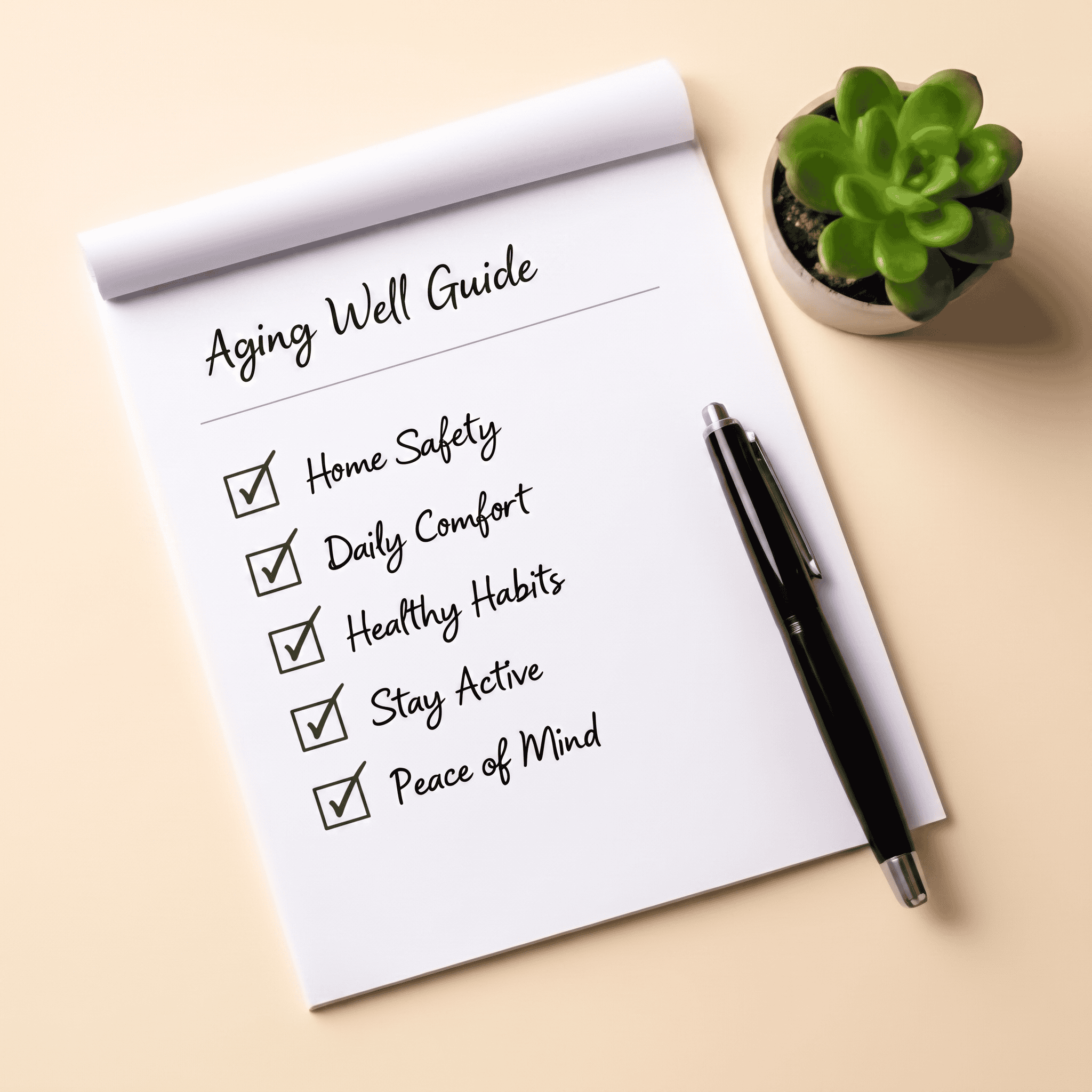
Planning ahead isn’t about expecting the worst—it’s about giving yourself more choices as you age. For practical ideas on staying healthy, independent, active, and prepared for the years ahead, download our free Aging Well Guide.
Get Your Free Aging Well Guide →
 While no cure exists for Alzheimer’s or most dementias, managing risk factors can improve quality of life. Regular physical activity, a nutritious diet, social connection, and management of cardiovascular risk factors can support overall health and quality of life. Although these habits may help reduce dementia risk, they have not been proven to stop or reverse Alzheimer’s or most other dementias.
Ultimately, living with dementia involves proactive management and a complete understanding of the potentially different pathways it involves.
Through continuous consultation with healthcare professionals, those managing dementia can navigate its complexities and maintain a fulfilling life.
A note from Age With Intent: Memory changes can have many causes, and dementia is not a normal part of aging. If you notice changes in memory, thinking, or behavior that are interfering with everyday life, talk with a healthcare professional. Some causes of memory problems may be treatable, and an earlier diagnosis can help you understand your options and plan for what comes next.
Your Next Step Toward Aging Well
Aging well is about more than staying healthy. It’s about feeling confident, staying independent, and making thoughtful choices for the future.
Our FREE Aging Well Guide offers practical tips for home safety, healthy and active living, and planning ahead—so you can take meaningful steps toward living well at every age.
Get Your Free Aging Well Guide →
Practical guidance to help you live well and age with purpose.
Sources & Further Reading
- National Institute on Aging — Alzheimer’s and Dementia — Information on Alzheimer’s disease, dementia, diagnosis, treatment, brain health, and caregiving.
- CDC — About Dementia — An overview of dementia, common types, symptoms, testing, and treatment.
- CDC — About Alzheimer’s Disease — Information about Alzheimer’s disease, symptoms, risk factors, diagnosis, and treatment.
- Alzheimer’s Association — Dementia vs. Alzheimer’s Disease: What’s the Difference? — A helpful explanation of why dementia is an umbrella term while Alzheimer’s is a specific disease and the most common cause of dementia.
About the Author
I’m Heather, founder of Age With Intent. I have more than 25 years of experience in long-term care leadership, including over 15 years as a Nursing Home Administrator.
Throughout my career, I’ve seen firsthand how important safety, independence, and thoughtful planning are to aging well.
I created Age With Intent to share practical information and resources that help older adults and their families make informed decisions, maintain independence, and live well at every stage of life.