
Most people want to remain independent and continue living in a familiar home and community as they get older. That desire is at the heart of aging in place.
But successfully aging in place involves more than simply staying in the same house. It means planning ahead so your home, health, finances, transportation, and support system can continue meeting your needs as life changes.
Whether you are thinking about your own future or helping an older parent, understanding what aging in place means is an important first step.
As an Amazon Associate I earn from qualifying purchases.
What Does Aging in Place Mean?
Aging in place means living safely, comfortably, and as independently as possible in the home or community of your choice as you grow older.
For many people, this means remaining in the home where they currently live. For others, it could mean moving to a smaller home, an accessible apartment, an active-adult community, or a home closer to family before additional support is needed.
The goal is not necessarily to stay in one particular house forever. The goal is to make intentional choices that help you maintain as much independence, comfort, and control as possible.
Aging in place may include:
- Making the home safer and easier to navigate
- Maintaining strength, balance and overall health
- Using helpful products or technology
- Planning for transportation needs
- Staying socially connected
- Identifying family and community support
- Preparing financially for future changes
A thoughtful plan considers all these areas – not just the physical home.
Why Do So Many People Want to age in Place?
Home represents more than a place to live. It may hold years of memories, familiar routines, valued possessions, and connections to neighbors and the surrounding community.
Remaining at home can provide a sense of stability and control. It allows people to continue enjoying familiar activities and making decisions about how they live each day.
Common reasons people choose to age in place include:
- Preserving independence and privacy
- Staying close to friends, family, and neighbors
- Remaining connected to a familiar community
- avoiding an unnecessary or premature move
- Continuing established routines
- Maintaining a sense of identity and belonging
However, wanting to remain at home does not automatically mean the current home will always be the best fit. Successful aging in place requires an honest look at what may need to change.
What Are the Benefits of Aging in Place?
When the right planning and support are available, aging in place can offer several important benefits.
Greater independence
A safe and manageable home can make it easier to complete everyday activities without unnecessary assistance. Simple changes – such as improving lighting, installing lever-style handles, or reorganizing frequently used items – can make daily life more convenient.
Familiarity and comfort
Familiar surroundings can provide reassurance and help people maintain their preferred routines. Knowing the home, neighborhood, local stores, and nearby services can make everyday life feel more comfortable.
Continued community connections
Living near established friends, neighbors, faith communities, healthcare providers, and favorite local organizations can help protect against isolation and loneliness.
More personal choice
Aging in place allows people to make more decisions about their routines, activities, meals, visitors, and living environment.
The opportunity to plan gradually
Preparing early allows improvements to be made over time. This can be less overwhelming than trying to make urgent decisions after an illness, injury, fall or sudden change in mobility.
What Challenges Should You Consider?
Aging in place can be a good choice, but it is not always simple or inexpensive. Every home and personal situation is different.
Potential challenges include:
- Stairs or difficult entrances
- Bathrooms that are not accessible
- Home maintenance and seasonal upkeep
- Limited transportation
- Increasing healthcare or personal-care needs
- Social isolation
- The cost of renovations or in home assistance
- Distance from family, medical care, or community services
- Technology that is difficult to set up or use.
Thinking about these challenges does not mean giving up independence. It makes it possible to address concerns before they become emergencies.
The best aging-in-place plan is flexible. It should be reviewed as a person’s health, abilities, finances, or living situation change.
Five Important Parts of an Aging-in-Place Plan
A comprehensive plan should look beyond one grab bar or a single home renovation. Consider these five major areas.
- Home safety and accessibility
Begin by looking at how easily someone can enter, move around, and complete everyday activities in the home.
Common improvements include:
- Brighter lighting in hallways, stairways, and entrances
- Handrails on both sides of stairs
- Securely installed grab bars in appropriate bathroom locations
- A step-free entrance or safer outdoor steps
- Non-slip flooring
- Clear, uncluttered walking paths
- Lever-style door handles and faucets
- Frequently used rooms located on one level
- A walk-in or low-threshold shower
Some improvements are inexpensive, while others require planning and professional installation. The goal is to match changes to the home and the person using it.
For a more detailed room-by-room review read How to Create an Age-Friendly Home for Safety and Independence.
2. Health, strength, and mobility
The ability to remain independent is closely connected to physical health and mobility. Regular activity can help support strength, balance, flexibility, and confidence.
An aging-in -place plan man include:
- Staying physically active
- Discussing fall risk with a healthcare professional
- Reviewing medications regularly
- Scheduling vision and hearing checks
- Eating a balanced diet
- Managing chronic health conditions
- Using mobility aids correctly when needed.
A physical therapist or occupational therapist may be able to identify risks and recommend exercises, equipment, or home changes based on an individual’s needs.
3. Helpful products and technology
The right products can make daily activities safer and easier. Technology can also support communication, medication routines, home security, and emergency planning.
Helpful options may include:
- Motion-activated lighting
- Automatic medication dispensers
- Medical alert devices
- Smart speakers and voice assistants
- Video doorbells
- Easy-to-use phones or tablets
- Smart thermostats
- Fall-detection watches
- Stove-safety devices
Technology should be selected based on a real need – not simply because a device is new or popular. Consider ease of use, reliability, setup requirements, privacy, battery life, and ongoing subscription costs.
Learn more in Best Technology for Seniors Aging in Place and 7 Essential Aging in Place Products for Safer Independent Living.
4. Transportation and community support
Aging in place also means remaining connected to essential services and the larger community.
Consider how you would:
- Get to medical appointments
- Shop for groceries
- Pick up prescriptions
- Attend social activities
- Handle home repairs and maintenance
- Receive help during bad weather
- Access meals or personal assistance if needed
Possible resources include family members, friends, senior centers, volunteer driver programs, public transportation, meal delivery programs, home-health services, and local aging organizations.
The federal Eldercare Locator can help older adults and families find aging-related services in their communities.
5. Financial and future planning
Some aging-in-place changes are free, but others can be expensive. Planning ahead makes it easier to compare priorities and prepare for possible costs.
Your plan might account for:
- Home renovations and repairs
- Property taxes and insurance
- Lawn care, snow removal, and maintenance
- Transportation
- Medical equipment
- Technology subscriptions
- Housekeeping or meal preparation
- In-home personal care
- Emergency expenses
It is also important to discuss legal and healthcare preferences. Documents such as a will, power of attorney, and advance healthcare directive can help ensure that your wishes are understood.
A financial planner, elder-law attorney, or other qualified professional can provide advice based on your individual circumstances.
When Should You Start Planning to Age in Place?
The best time to start planning is before a crisis occurs.
You do not need to wait until you experience mobility problems or need assistance. In fact, many age-friendly improvements are useful for people of every age. Better lighting, comfortable furniture, safer entrances, and an accessible bathroom can make a home more convenient for everyone.
Planning early gives you time to:
- Decide whether your current home is suitable
- Complete improvements gradually
- Research products and services carefully
- Build healthy habits
- Explore community resources
- Discuss preferences with family
- Prepare financially
- Become comfortable with helpful technology
Aging in place is easier when decisions are made thoughtfully instead of under pressure following an unexpected health event.
How to Start Your Aging-in-Place Plan
You do not have to change everything at once. Begin with a simple walk-through of your home and an honest conversation about your future.
Ask yourself:
- Can I enter and leave the home safely?
- Could I live primarily on one floor if necessary?
- Are the bathroom and stairs safe?
- Is the home affordable and manageable to maintain?
- How would I get around if driving became difficult?
- Who could help in an emergency?
- Are healthcare and everyday services nearby?
- What changes would make life easier now?
- What might I need five or ten years from now?
- Have I discussed my preferences with the people closest to me?
Start with one or two realistic actions. You might improve the lighting, remove a tripping hazard, research local transportation, schedule a health appointment, or talk with family about your long-term preferences.
Aging in Place With Intention
Aging in place is not about refusing help or promising never to move. It is about preparing for the future while protecting your independence, safety, comfort, and quality of life.
Your plan may evolve over time. You might modify your current home, bring in occasional assistance, adopt helpful technology, or eventually move to a home that better fits your needs. Each of these choices an be part of a successfully aging in place.
The most important step is to begin planning before decisions become urgent.
Small, intentional choices made today can create more options for tomorrow – and help you continue living well, on your own terms, as you grow older.
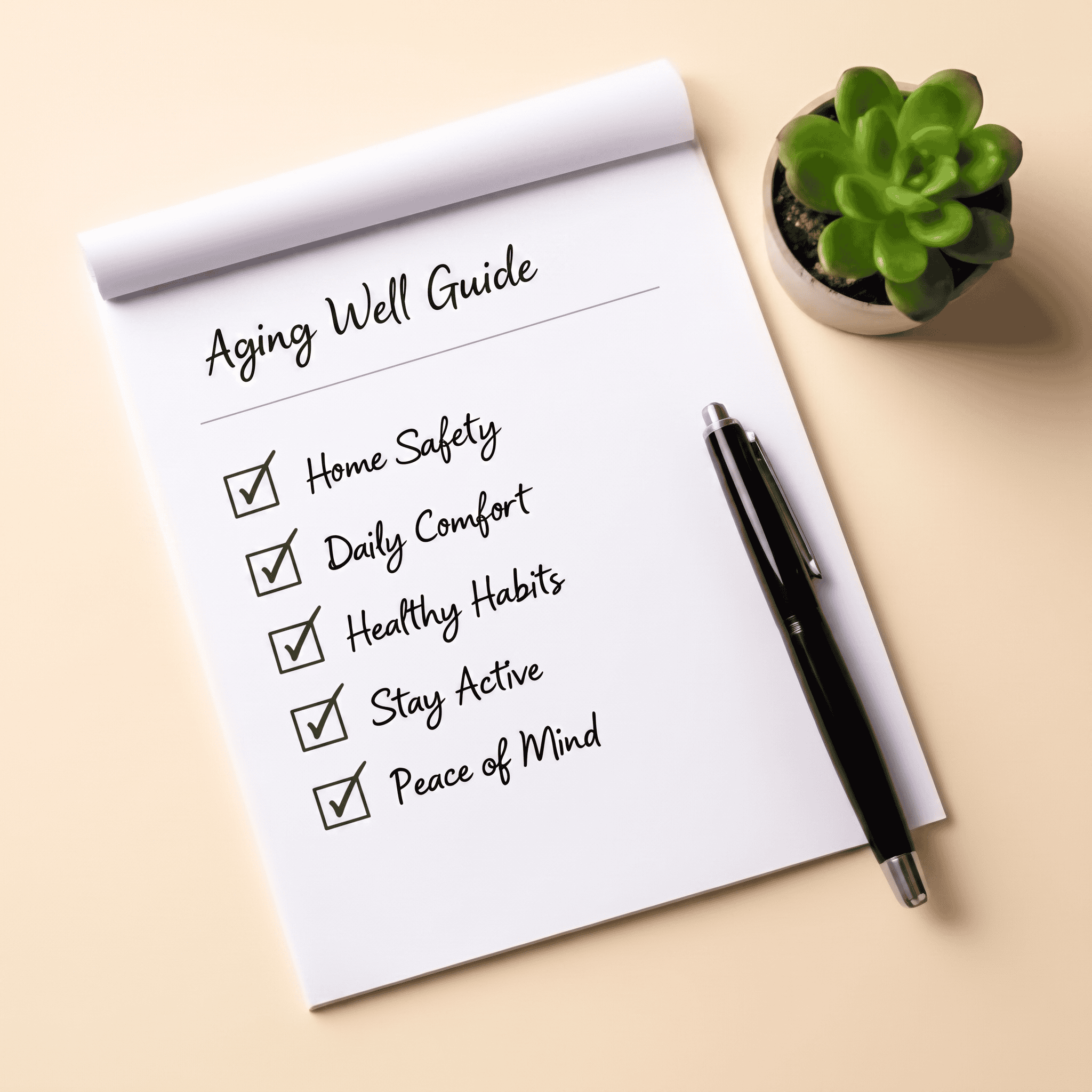
Ready to take the next step? Subscribe below to get your free Aging Well Guide for practical ideas to support home safety, healthy living, and greater independence.
Your Next Step Toward Aging Well
Aging well is about more than staying healthy. It’s about feeling confident, staying independent, and making thoughtful choices for the future.
Our FREE Aging Well Guide offers practical tips for home safety, healthy and active living, and planning ahead—so you can take meaningful steps toward living well at every age.
Get Your Free Aging Well Guide →
Practical guidance to help you live well and age with purpose.
About the Author
I’m Heather, founder of Age With Intent. I have more than 25 years of experience in long-term care leadership, including over 15 years as a Nursing Home Administrator.
Throughout my career, I’ve seen firsthand how important safety, independence, and thoughtful planning are to aging well.
I created Age With Intent to share practical information and resources that help older adults and their families make informed decisions, maintain independence, and live well at every stage of life.