Feeling Lost After Retirement? Find Out Why
Retiring sounds like it should be the finish line. Days filled with relaxation, travel, and doing whatever you want—no more early alarms or deadlines. But when that moment actually arrives, a lot of people feel adrift, almost as if their internal compass has gone missing. That sense of losing direction is more common than you might think. I’m here to dig into why feeling lost after retirement happens and how you can start making sense of this new chapter in your life.
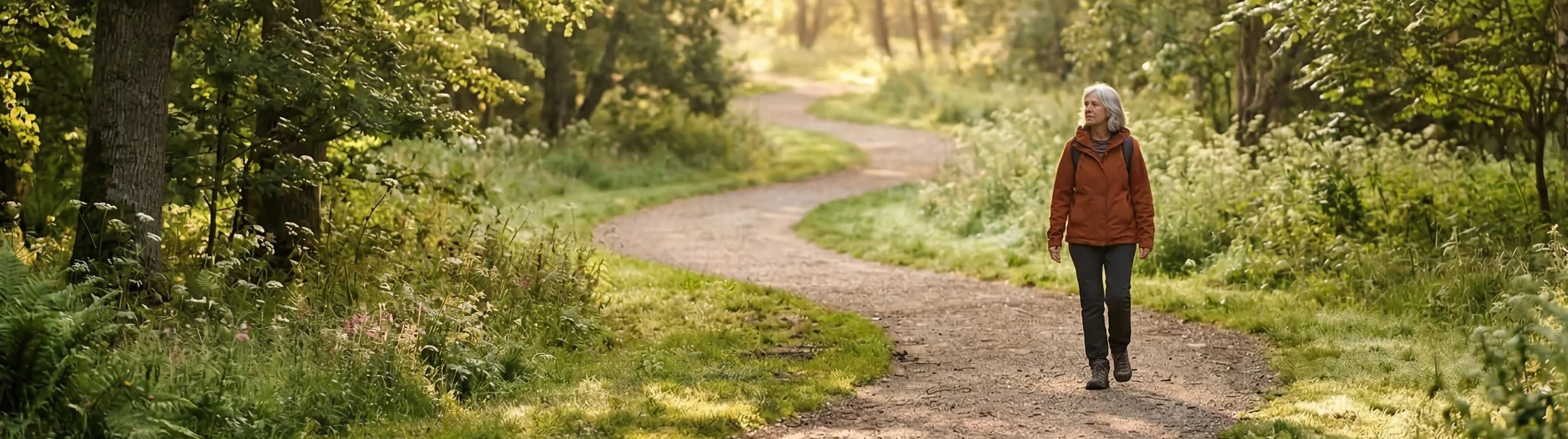
Why Retirement Feels So Different: Breaking Down the Big Changes
Leaving the working world behind can be both freeing and jarring all at once. Most of us spend decades building careers and routines, getting comfortable with the rhythm of daily life. Suddenly, those familiar beats vanish. Understanding why things feel so different after retirement can be really helpful in starting to move forward.
The biggest areas of change usually fall into three categories: identity, routine, and social connections. Here’s how each can play into that lost feeling:
- Loss of Identity: So much of our identity gets wrapped up in what we do for a living. When I stopped working, it felt strange not to have a work title. That quick answer to “What do you do?” disappears, and you’re left trying to figure out who you are without your job—almost as if you’re starting from scratch.
- Loss of Routine: Workweeks have built-in schedules. Meetings, deadlines, even lunch breaks add structure. Without that backbone, days can suddenly feel long and aimless. It’s easy to wake up not knowing what to do next, which can be unsettling after years of structure.
- Social Disconnection: Offices and job sites aren’t just about work. They’re also where we chat, share stories, and celebrate together. Retiring can mean losing daily interactions with people you genuinely enjoy and rely on for companionship.
What Happens to Identity After Retirement?
For many, work is more than a paycheck; it’s part of how you see yourself. Maybe you loved managing a team or took pride in being “the expert” people relied on. Suddenly, all those supporting pieces that built up your self-image have disappeared. It can be tough to fill that gap, especially if you haven’t had much time to focus on interests or pursuits outside your career.
Feeling restless, unmotivated, or even a little down is a natural reaction to this kind of switch up in life. Rebuilding identity after retirement calls for curiosity and patience. Checking out new hobbies, volunteering, or even taking on part-time gigs that spark your interest can help build up a sense of purpose again. Some people even stumble upon new talents they never realized they had, simply by staying open to possibility.
How Losing Your Routine Impacts Daily Life
I always thought I’d be happy without an alarm clock or a calendar full of meetings. But having zero routine isn’t as relaxing as it sounds. The structure of work gives days a natural rhythm. When that stops, boredom or even mild anxiety can creep in. Sometimes, people even report feeling lost even though they looked forward to freedom for years.
Many retirees find themselves just drifting, unsure how to fill each day in a satisfying way. This lack of structure can make you feel even more adrift, and finding a new routine becomes really important. Planning activities, joining recurring groups, or picking up scheduled hobbies can bring back a sense of rhythm and accomplishment.
If you’re facing trouble getting started, set simple daily goals: a walk in the morning, time for a book or hobby, lunch with a friend, and a relaxing evening routine. These building blocks can help give days meaning again.
Dealing with Social Disconnection
Even for people who prefer quiet time or small circles, losing workplace relationships can be tough. Shared jokes, morning greetings, quick catch-ups. These add up to a sense of connection that’s hard to replace overnight. After retirement, loneliness is more common than many expect, which can impact your mood and health.
Building new connections can feel daunting, but there are ways to spark fresh social opportunities. Community centers, online forums, and even local clubs welcome retirees. Volunteering and group classes offer ways to find likeminded people to bond with over shared interests. Even volunteering virtually has become more accessible, offering purpose and connection from home.
Tackling the Emotional Roller Coaster
Sometimes it’s not just about the practical stuff. Retirement can also stir up a whole mix of emotions: relief, excitement, frustration, and even fear. Letting yourself feel these things is normal and healthy. If sadness lingers or turns into depression, reaching out for support (such as counseling or therapy) is important. Your wellbeing is really important, and there’s no shame in asking for help.
Mood swings may come and go, and that’s okay. Try not to judge yourself for having complicated reactions; they are part of big change. Sharing how you feel with friends or loved ones can also make a real difference.
Practical Ways to Rebuild Meaning and Structure
- Explore New Interests: Trying out a new hobby, sport, or artistic project can be a refreshing way to keep the mind and body active. Whether it’s painting, hiking, learning an instrument, or gardening, now’s your chance to do things simply for the joy of it.
- Stick to a Light Routine: Creating a loose structure for your day can make a big difference. Setting times for meals, exercise, reading, or errands helps break things up and prevents the feeling of endless, empty hours.
- Stay Social: Connecting with people—even virtually—can ease feelings of isolation. Weekly calls with family, joining a book club, or heading to a coffee morning bring social energy back into your life.
- Volunteer or Work PartTime: Giving back or staying professionally active on a small scale brings a sense of purpose. Even a few hours a week can go a long way in feeling useful and connected.
- Practice Mindfulness: Retirement gives you the chance to focus on wellbeing. Meditation, gentle yoga, and mindful walks can help smooth out anxious thoughts and keep stress in check.
Remember, it’s okay to take small steps at first. Stumbling upon new opportunities often comes from saying yes to just one thing you find interesting. If something doesn’t spark joy, try something else-the adventure is in the exploration.
Common Barriers and How to Get Past Them
- Feeling Guilty for Not “Doing Enough”: After a lifetime of achievement and productivity, slowing down feels awkward at first. It’s healthy to find rest and moments of calm. Productivity isn’t the only measure of a good life. Enjoying what you do matters just as much, if not more.
- Worrying About Money: Financial concerns can hang over retirement. Meeting with a retirement planner can ease worries and help create a practical plan for the years ahead. Even a basic budget review and knowing your options can lighten the mental load.
- Missing the Sense of Being Needed: Retirement can make people feel like they’re out of the loop, especially after years of being depended on at work or home. Helping out at a charity, mentoring, or supporting local schools gives you the chance to share knowledge and feel valued again. Community organizations are happy to have experienced hands, and even small efforts are truly appreciated.
- Struggling With Health Changes: Bodies change with age, and sometimes retirement brings new limitations. Staying active and getting involved with your healthcare keeps you in control and feeling better. Focusing on what you can do, rather than on limitations, keeps your confidence and spirit up.
How Other Retirees Have Steered Through the Transition
It helps to see you’re not alone. I’ve had friends pick up woodworking for the first time, or become regulars at the local morning swim. Another neighbor started writing short stories just for fun, and someone else took up photography after spotting a camera at a thrift store. Every experience is different, but they all found purpose by getting curious and staying open to new possibilities. Checking out stories on forums like AARP’s retirement section can be pretty inspiring if you need ideas.
It’s also worth mentioning that successes aren’t always immediate. Many people experiment before they find what fits, sometimes trying a handful of new things before one clicks. The trick is to keep an open mind and avoid comparing your story to anyone else’s.
Frequently Asked Questions About Feeling Lost After Retirement
What makes retirement feel so unsettling?
Most people are used to routines, clear priorities, and a sense of belonging at work. When these disappear, it’s common to feel unmoored. The good news is that routines and meaning can be rebuilt in other ways—through hobbies, volunteering, or new friendships.
Is it normal to feel sad after retirement?
Absolutely. Big life changes bring up strong emotions. Sadness often fades as you get used to your new routine, but if it sticks around, talking with a professional can help you process those feelings and find a path forward.
How can I stay connected after leaving work?
Reach out to old colleagues, join local groups, or volunteer. Even digital meetups count and can be surprisingly meaningful. Making the first move feels awkward, but most people appreciate a friendly hello or invitation to connect.
How do I figure out what to do with my free time?
Experiment until you find what clicks. Start with old interests or things you’ve always wanted to try. Keep your plans simple at first; there’s plenty of time to build up new routines. Try a class, join a club, or reconnect with old pals. Sometimes—or often—you stumble upon new passions by accident.
Key Takeaways for Finding Your Way After Retirement
That lost feeling after retirement doesn’t have to last forever. Understanding why it happens—loss of identity, routine, and connection—makes it easier to spot where you might need to mix things up. Focusing on building routines, checking out new interests, and connecting with people brings energy and direction back into everyday life. Taking it slow and being open to small changes is all it takes to start feeling more at home in retired life. The bottom line: your next chapter can be meaningful, fulfilling, and uniquely yours.