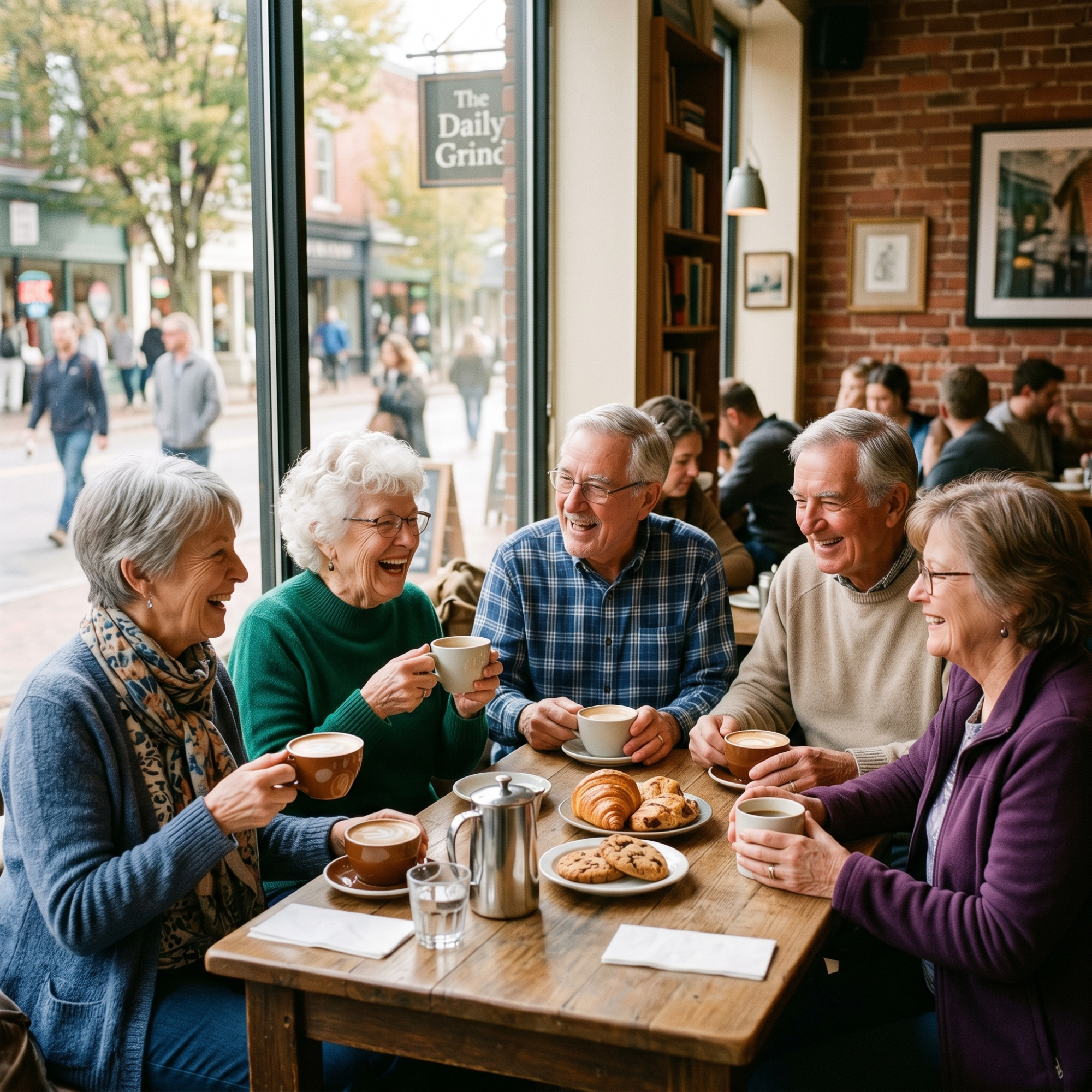
Senior loneliness is no longer a sidebar issue; it’s become a national crisis demanding attention. The fact that Congress is proposing legislation in the form of the SILO Act shows just how serious the problem has become. The data paints a stark picture. Recent studies reveal a sharp rise in the number of older adults experiencing loneliness and social isolation. And this isn’t just a numbers game—it hits where it hurts, impacting the very core of daily life and overall well-being.
As an Amazon Associate I earn from qualifying purchases.
Feeling disconnected can be devastating. It has been linked with increased levels of depression and cognitive decline among seniors. Older adults facing chronic loneliness may also experience a heightened risk of chronic diseases like heart conditions. The link between mental and physical health means that loneliness doesn’t just reduce happiness—it can reduce lifespan too.
Stories from those affected bring the statistics to life. One senior, Mr. Thompson, shared how loneliness slowly crept into his life. Once an active community member, he found himself withdrawn after the passing of his spouse. Over time, isolation chipped away at his zest for life, showing loneliness isn’t just a feeling, but a very real health concern.
This isn’t just about adding years to life, but life to years. Addressing this sense of isolation is critical. By understanding the scope of the problem, we can better support seniors in fostering meaningful connections, enriching their lives with robust health and happiness.
The SILO Act: A Beacon for Social Connection
The introduction of the SILO Act is a promising development on the horizon, aiming to tackle the issue of senior loneliness head-on. It’s more than just political chatter; it’s a bipartisan effort to create meaningful change. The act’s goals are clear: support older adults by funding initiatives designed to keep them engaged with their communities.
What stands out about the SILO Act is its focus on grassroots efforts. By channeling funds into community programs, the act recognizes that local solutions often offer the best shot at connecting isolated individuals. Initiatives might include social gatherings, classes, and health check-ups—all focused on breaking the cycle of loneliness.
Outreach is another cornerstone of the SILO Act. It’s about reaching those who might fall through the cracks, ensuring no one is left behind. Personalized outreach programs can make a difference by directly involving volunteers and social workers in the lives of seniors.
Technology plays a crucial role too. It’s not just about broadband—it’s about making technology user-friendly and accessible, easing communication for seniors who might find themselves distanced by geography or mobility issues. Enabling older adults to connect virtually with family, friends, or even healthcare professionals can be life-changing.
For the success of the SILO Act, figuring out what really works is critical. Each community may have different needs, and identifying effective strategies through careful trial and error will be key. Recognizing the diversity in senior populations can guide programs to focus on what seniors really need to thrive.
The Challenges of Aging in Place: Independence vs. Isolation
Aging in place is a concept many seniors cherish. Remaining in familiar surroundings can be comforting as we age; however, staying at home often presents its own challenges. The fine line between enjoying independence and suffering from isolation is one that can be difficult to navigate.
While the idea of staying in one’s own home seems ideal, it’s important to acknowledge the potential downsides. Living independently isn’t just about physical safety and managing tasks like medication; it also involves maintaining social connections that are often taken for granted.
Isolation can have lasting impacts on mental and physical health. Seniors without regular interaction may see a decline in their well-being, both mentally and physically, as social connections play a vital role in maintaining a healthy lifestyle.
Some seniors have found ways to bridge the gap themselves. Take Ms. Garcia, for example, who, despite living alone, regularly attends a local knitting club which keeps her socially active and mentally stimulated. Such community involvement helps combat loneliness and feeds a sense of belonging and purpose.
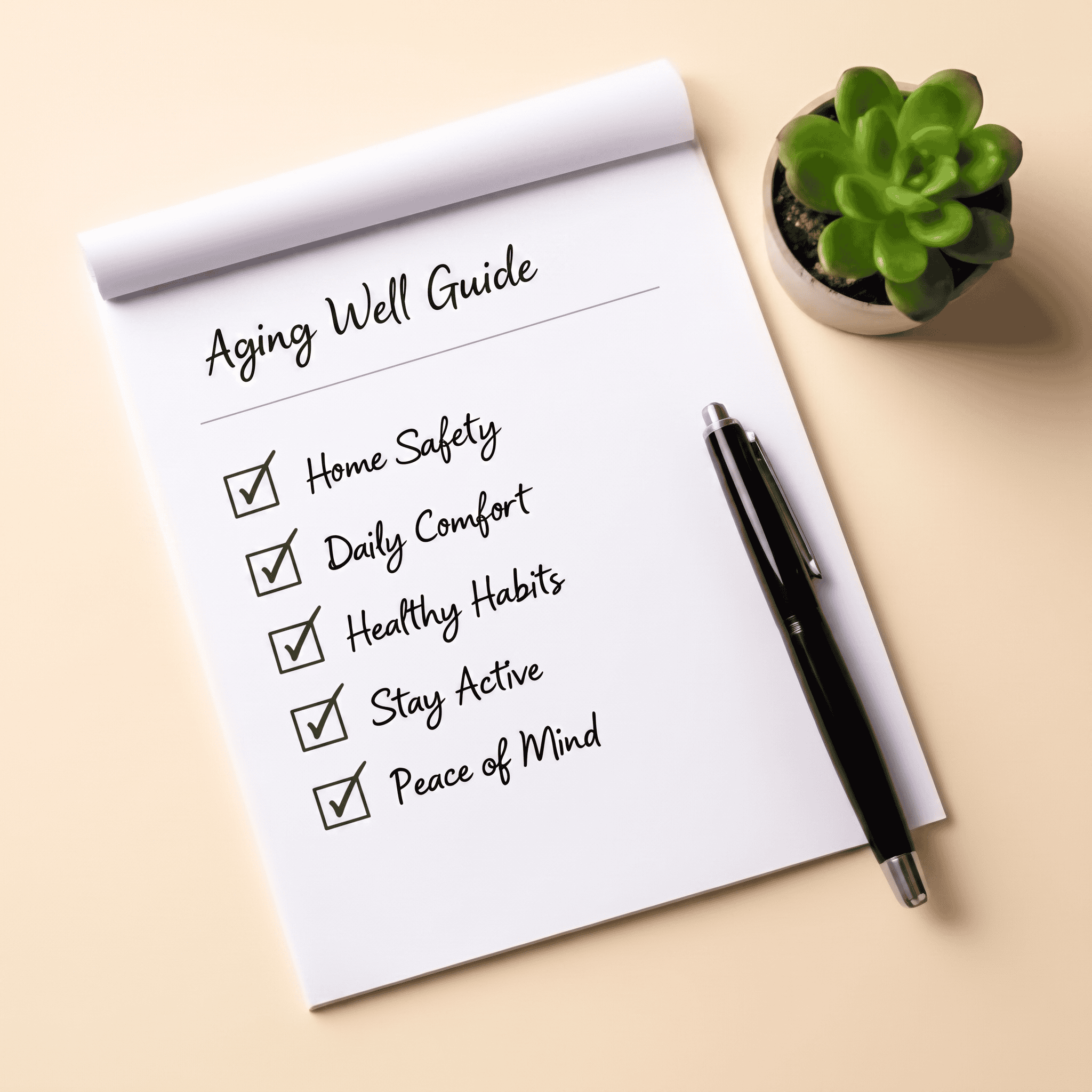
Download the Age with Intent Aging Well Guide to learn more about helping older adults develop the tools that will help them stay active and engaged for life.
Communities and policymakers need to adopt a holistic approach when considering measures for successful aging in place. Supporting older adults not just in physical adaptations to their homes, but in fostering strong social networks, is crucial. Through community programs, outreach efforts, and encouraging interpersonal interactions, we can support seniors in living full, connected lives.
Building Bridges: Seven Pathways to Connection for Seniors
Staying connected is about keeping the spark alive. Social connections are essential for emotional and physical health, and there are actionable steps that seniors can take to lead more connected lives.
Volunteering is a fantastic starting point. It not only gives back to the community but also creates a sense of purpose and  belonging. Whether it’s working at a local soup kitchen or helping out at a nearby school, volunteering offers countless opportunities to meet people and form bonds.
Community activities, like joining a walking group or participating in local events, break up the routine and bring people together over shared interests. Activities get seniors out of the house and engaged in the wider world, which is great for mental health too.
Technology can be intimidating, but it’s a valuable tool for staying in touch. From social media to video calls with family and friends, tech helps bridge the gap when physical meet-ups aren’t possible. Local tech workshops can be excellent learning venues for seniors to get comfortable with these tools.
Family and friends shouldn’t be overlooked. Scheduling regular visits with loved ones embeds social time into the routine and strengthens ties, even if family members live far away.
Involvement in faith-based communities provides emotional support and offers various social activities. Whether through attending services or joining group outings, faith communities can often act as a social anchor.
Lifelong learning is another great way to expand horizons and meet new people. Classes—whether they’re held at community centers or online—keep the mind active and facilitate interaction among participants. Exploring topics of interest can be both educational and socially rewarding.
Each of these pathways is a step towards a vibrant, connected life. Whether motivated by personal growth or the realization of the vital importance of social interaction, the journey to stronger connections is rewarding in itself.
Final Thoughts on Embracing Social Connections
Whether the SILO Act becomes reality or not, one thing’s certain: social ties are a necessity, not a luxury. Recognizing the importance of these connections marks a significant cultural shift in how we view aging.
Building relationships doesn’t just improve mental health and keep loneliness at bay. It’s about ensuring a future where seniors feel valued and supported. It signals a commitment to enhancing quality of life, beyond just meeting basic needs.
Investing time and effort in forging connections now means paving the way for healthier aging. It’s never too late or too early to start. Whether through community involvement, technology, or just regular catch-ups with family and friends, these interactions are what make life meaningful.
For policymakers, programs like the SILO Act are steps in the right direction, affirming that society values its older adults and is willing to support their social well-being.
Healthy aging isn’t just about eating well or staying active. Meaningful relationships are just as important. If you are looking for more practical tips to help yourself or a loved one age with confidence and purpose, download the free Aging Well Guide and join the Age with Intent community by subscribing below.
Your Next Step Toward Aging Well
Aging well is about more than staying healthy. It’s about feeling confident, staying independent, and making thoughtful choices for the future.
Our FREE Aging Well Guide offers practical tips for home safety, healthy and active living, and planning ahead—so you can take meaningful steps toward living well at every age.
Get Your Free Aging Well Guide →
Practical guidance to help you live well and age with purpose.
About the Author
I’m Heather, founder of Age With Intent. I have more than 25 years of experience in long-term care leadership, including over 15 years as a Nursing Home Administrator.
Throughout my career, I’ve seen firsthand how important safety, independence, and thoughtful planning are to aging well.
I created Age With Intent to share practical information and resources that help older adults and their families make informed decisions, maintain independence, and live well at every stage of life.